Muzaffarābād, Pakistan
- 725,000 people
- 8 places to visit
- 34.3551, 73.4769
Places to Visit (8)
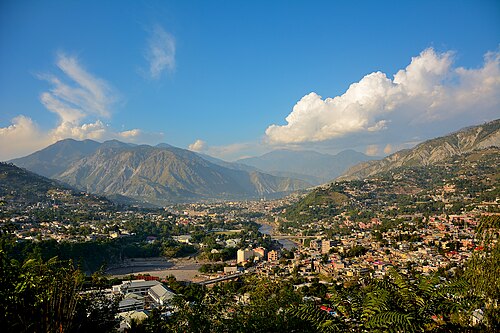
Muzaffarābād, the capital city of Azad Jammu and Kashmir (AJK), Pakistan, sits at the confluence of the Neelum and Jhelum Rivers, surrounded by lush mountains and picturesque landscapes. Founded in the 16th century, the city was named after Sultan Muzaffar Khan, a local ruler. Its strategic location has positioned it as an administrative and commercial hub for the region, serving as a vital gateway to the disputed territory of Jammu and Kashmir, which has been a locus of tension between India and Pakistan since the partition in 1947. With a population exceeding 100,000, Muzaffarābād has seen significant growth since the early 2000s, driven by infrastructure development, tourism, and remittances from the Kashmiri diaspora.
The city is marked by its rich cultural heritage and historical significance, hosting several key landmarks such as the Red Fort (Chak Fort), which dates back to the Mughal era, and the historic Pir Chinasi shrine, located on a mountain peak offering panoramic views of the surrounding area. Muzaffarābād experiences a temperate climate, with hot summers and cold winters, making it attractive for both domestic and international tourists. The economy of the region largely relies on agriculture, trade, and remittances, though tourism has become increasingly important due to scenic spots and trekking opportunities in the nearby Neelum Valley, which is renowned for its breathtaking beauty.
Despite its natural beauty and cultural richness, Muzaffarābād faces significant challenges. The city was heavily impacted by the devastating earthquake in 2005, which resulted in loss of life, displacement, and infrastructural damage. Reconstruction efforts have since transformed parts of the city, but issues such as limited resources and political instability continue to affect its development. Nonetheless, Muzaffarābād remains a vibrant symbol of resilience and a focal point of the diverse cultural tapestry of Pakistan, drawing visitors interested in exploring its unique blend of history, tradition, and natural beauty.
Facts about Muzaffarābād
- Muzaffarabad is the capital of Azad Jammu and Kashmir (AJK), a self-governing administrative region that is part of the larger Kashmir conflict between India and Pakistan.
- The city is located at the confluence of the Neelum and Jhelum rivers, offering a picturesque landscape and making it a strategic point for trade and transportation.
- Muzaffarabad is home to historical landmarks such as the Red Fort (Chak Fort), which dates back to the Mughal era and offers panoramic views of the city.
- The city serves as a vital cultural and administrative hub for the people of Azad Kashmir, hosting numerous governmental institutions and cultural events.
- Muzaffarabad is known for its resilient recovery and reconstruction following the devastating earthquake in 2005, which significantly impacted the city and its surroundings.
- The city is a gateway for tourists exploring the scenic beauty of Neelum Valley, which is famous for its lush green valleys, rivers, and mountains.
- Muzaffarabad has a diverse population, with a mix of ethnic communities, including Kashmiri, Punjabi, and Pashtun, contributing to a rich cultural tapestry.
- The local cuisine of Muzaffarabad includes traditional Kashmiri dishes, such as Rogan Josh and Yakhni, attracting food enthusiasts from across the region.
- The region around Muzaffarabad is culturally significant, with various festivals, including the celebratory event of Kashmir Day, observed annually on February 5.
- Muzaffarabad plays an important role in the ongoing dialogue and political discourse surrounding the Kashmir issue, making it significant in the context of South Asian geopolitics.