Muzaffargarh, Pakistan
- 165,192 people
- 2 places to visit
- 30.0736, 71.1805
Places to Visit (2)
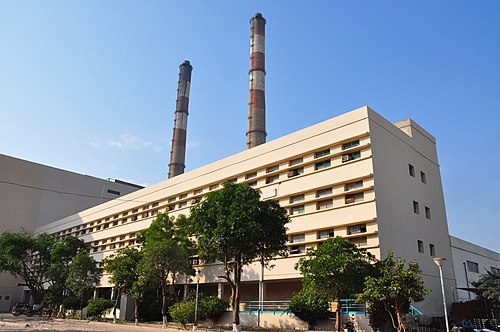
Muzaffargarh is a city located in the Punjab province of Pakistan, around 350 kilometers southwest of Lahore. It serves as the administrative center of the Muzaffargarh District and holds a significant role in the region's socio-economic landscape. Founded in the mid-19th century during the British Raj, the city has since developed into a vibrant urban area with a varied demographic, primarily consisting of Punjabis. The population, which exceeds 350,000, engages in various sectors, including agriculture, trade, and transportation, with local markets serving as bustling hubs for commerce.
The city is strategically positioned near the banks of the Sutlej River, which provides fertile land that supports extensive agricultural activities. The economy of Muzaffargarh is predominantly agrarian, with major crops including cotton, wheat, sugarcane, and rice, all of which contribute significantly to the local and national economy. Additionally, the city hosts several industrial units and is part of the Punjab province's extensive irrigation network, which facilitates farming and contributes to its agricultural output. The region is also known for its handicrafts and traditional textiles, which are important for both local livelihoods and export.
Culturally, Muzaffargarh is characterized by a rich heritage that reflects the broader traditions of Punjab. The city is home to various festivals, including Basant and Eid celebrations, showcasing colorful attire, music, and dance. Educational institutions and healthcare facilities have been established to serve the local population, though challenges remain in terms of infrastructure and public services. Due to its historical significance and growing importance, Muzaffargarh is seen as a vital component of the socio-economic framework of southern Punjab, and efforts are ongoing to enhance its development prospects.
Facts about Muzaffargarh
- Muzaffargarh is situated at the confluence of the Chenab and Indus rivers, making it an important location for agriculture and irrigation.
- The city was founded in 1794 by the Mughal Empire and is named after Muzaffar Khan, a governor of the region, distinguishing its historical significance.
- Muzaffargarh has a unique tradition of pottery and handicrafts, particularly known for its earthenware pottery which reflects the local culture.
- The famous Sufi saint Bahauddin Zakariya, who founded the nearby city of Multan, had his influence extend into Muzaffargarh, contributing to its spiritual heritage.
- The city is home to the Muzaffargarh Fort, a historical structure built during the Mughal era that represents the architectural style of that time.
- Muzaffargarh is known for its vibrant festivals, including the annual Mela (fair) which attracts visitors from all over the region, showcasing local culture and traditions.
- The region's cotton and wheat production is among the highest in Pakistan, contributing significantly to the country's economy and distinguishing Muzaffargarh as an agricultural hub.
- The city experienced devastating floods in recent years, which led to significant humanitarian efforts and increased awareness of disaster management in Pakistan.
- The distinctive local cuisine includes specialties like 'Sohan Halwa' and 'Bhaker' dishes, which are unique to the region and reflect its culinary diversity.
- Muzaffargarh has a significant handicraft industry, especially in textile weaving, which creates unique fabrics that are sought after throughout Pakistan.