Mwanza, Tanzania
- 1,104,521 people
- 11 places to visit
- -2.5164, 32.9175
Places to Visit (11)
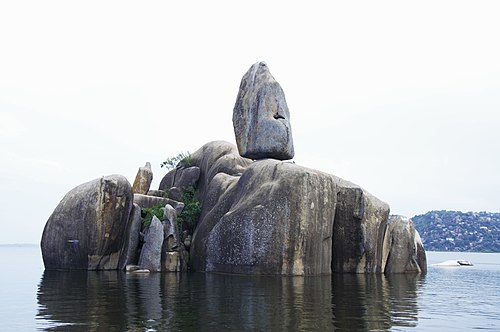
Mwanza is a vibrant city located on the eastern shore of Lake Victoria in Tanzania. It is the second-largest city in Tanzania after Dar es Salaam and serves as the capital of the Mwanza Region. Strategically positioned as a key administrative, economic, and cultural hub, Mwanza has a population estimated at over 700,000 residents, making it a bustling center of activity in the northwest of the country. The city is known for its picturesque landscape, characterized by rocky hills, beautiful islands, and the expansive waters of Lake Victoria, which provide a stunning backdrop for both residents and visitors.
The economy of Mwanza is primarily driven by agriculture, fishing, and trade, with the rich waters of Lake Victoria yielding significant quantities of tilapia and Nile perch. As a major port city, Mwanza facilitates trade not only between regions within Tanzania but also with neighboring countries like Uganda and Kenya. The city is a pivotal commercial center for the surrounding agricultural areas, providing a market for crops such as coffee, maize, and cassava. Additionally, Mwanza has developed a burgeoning tourism sector, as it serves as a gateway to several national parks, including Rubondo Island National Park and Serengeti National Park, attracting tourists keen on wildlife and natural beauty. The diverse recreational activities available on Lake Victoria, including fishing, boat rides, and bird watching, further enhance Mwanza's appeal as a travel destination.
Culturally, Mwanza is home to a blend of ethnic groups and communities, contributing to a rich tapestry of traditions, languages, and lifestyles. The Sukuma people, who are the largest ethnic group in the area, are known for their vibrant music and dance, which play a significant role in the city's cultural heritage. Mwanza also hosts several annual events and festivals that celebrate local customs and promote unity among its diverse population. Furthermore, with its increasing urbanization, the city faces challenges such as infrastructure development, urban planning, and public services. Nonetheless, Mwanza's growth trajectory remains positive, fueled by its strategic location, resource-rich environment, and a welcoming community eager to embrace progress while honoring its cultural heritage.
Facts about Mwanza
- Mwanza is known as the 'Rock City' due to the many giant granite boulders that dot the landscape, including the iconic Saanane Island.
- It is situated on the shores of Lake Victoria, the largest lake in Africa, making it a hub for fishing, trade, and tourism.
- Mwanza is home to the Mwanza Gulf, which is one of the best spots for birdwatching in Tanzania, attracting numerous migratory bird species.
- The city is an important center for the fishing industry, particularly for Nile perch, which plays a significant role in the local economy.
- Mwanza hosts the annual Mwanza International Trade Fair, which promotes trade and economic cooperation among East African countries.
- The city has historical significance as it was a transport hub during the colonial era, connecting the region to Uganda and Kenya.
- Mwanza is known for its unique blend of cultures, with a population that includes various ethnic groups, including Sukuma and Zenj.
- The Bismarck Rock, a dramatically shaped rock formation, is a popular landmark and a symbol of Mwanza, attracting both locals and tourists.
- Mwanza plays a key role in the production of gold, with nearby mining activities contributing to the region's economic development.
- The city is strategically located near the Serengeti National Park and Ngorongoro Crater, making it a gateway for tourists heading to these iconic natural sites.