Nabari, Japan
- 77,022 people
- 9 places to visit
- 34.6275, 136.1085
Places to Visit (9)
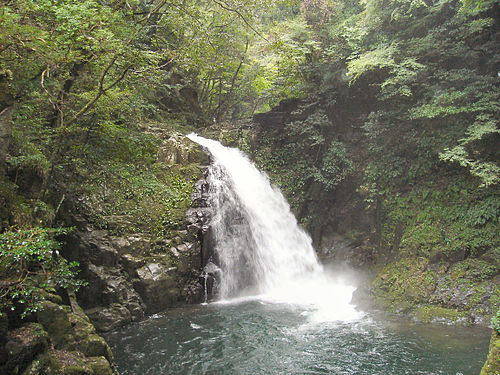
Nabari is a city located in Mie Prefecture, Japan, known for its rich cultural heritage and picturesque natural surroundings. Situated in the east-central part of the prefecture, Nabari is nestled in a mountainous region and has a population of approximately 60,000 residents. It was established as a city on October 1, 2004, following a merger of several smaller towns and villages, including Ueno, Kawaguchi, and the former Nabari Town. The area is characterized by a blend of historical significance and modern development, serving as a gateway to the stunning landscapes of the surrounding Ise-Shima National Park.
The city's history dates back to ancient times, and it played a crucial role during the feudal era, particularly during the Sengoku period when it was known for its ninja culture. The Nabari region is often associated with the Iga-ryu school of ninjutsu, which is one of Japan's most famous ninja clans. Cultural sites, such as the Nabari City Historical Museum, showcase artifacts and exhibits that highlight this unique heritage. Nabari is also home to several temples, shrines, and traditional Japanese gardens, offering visitors a glimpse into the country's spiritual and artistic traditions.
In terms of natural attractions, Nabari is renowned for its abundant greenery, hot springs, and recreational opportunities. The city’s proximity to the Yoshino River provides a range of outdoor activities like hiking, fishing, and kayaking, attracting both locals and tourists. The annual Nabari Fireworks Festival is one of the city's highlights, drawing crowds to enjoy spectacular displays against the evening sky. While Nabari may be lesser-known compared to major Japanese cities, its blend of history, culture, and scenic beauty makes it a compelling destination for those looking to explore Japan's hidden gems.
Facts about Nabari
- Nabari is renowned for being the home of the ancient practice of 'Ninjutsu', and the region has historical connections to the legendary ninjas of Japan.
- The city is located in Mie Prefecture and is unique for its dense population of ninja-related tourist attractions, such as the Iga Ueno Ninja Museum.
- Nabari is also famous for the unique landscapes of the Yoshino River valley, offering picturesque views and opportunities for outdoor activities.
- The Nabari city area includes several historical sites, including the Nabari Castle ruins, which provide insights into the region's feudal past.
- Each September, Nabari hosts an annual 'Ninja Festival', celebrating its ninja heritage with demonstrations, markets, and various cultural entertainment.
- Nabari is known for its significant production of 'Kishu plums', a fruit variety that is culturally and economically important to the region.
- The city has unique geological features, including 'Nabari's Hōnen-ji', a temple that is partly built into the natural rock formations of the area.
- Nabari's cultural and historical significance is recognized through its designation as a 'Cultural Heritage City' by the Japanese government.
- The Nabari region is known for the 'Nabari Gion Matsuri', a traditional festival that features colorful floats and traditional performances, celebrated in the summer.
- Nabari's proximity to major cities like Osaka and Nagoya allows it to maintain a distinct identity while benefiting from access to larger urban centers.