Nabatîyé et Tahta, Lebanon
- 120,000 people
- 4 places to visit
- 33.3772, 35.4836
Places to Visit (4)
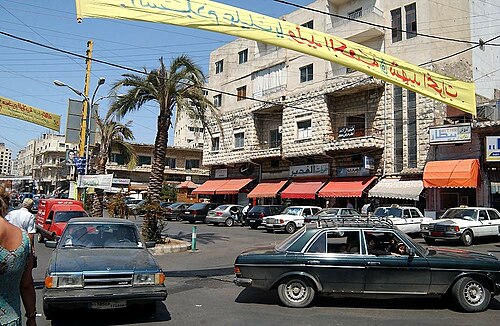
Nabatîyé et Tahta is a city located in southern Lebanon, serving as the capital of the Nabatiye Governorate. Nestled in the Beqaa Valley region, Nabatîyé et Tahta is strategically positioned near the borders with Israel and the Golan Heights, making it a significant point in Lebanon's socio-political landscape. The city is known for its rich history, dating back to ancient times when it was a hub for various civilizations, including the Phoenicians and Romans. Today, it is characterized by its diverse population, which includes a mix of Muslims and Christians, reflecting the broader demographic diversity of Lebanon.
The city plays a vital role in the local economy, with agriculture being one of the primary activities, thanks to the fertile lands surrounding it. Nabatîyé et Tahta is particularly known for the cultivation of olives, grapes, and various fruits. The marketplace in the city is lively, offering traditional goods and produce, which attracts both locals and visitors. Additionally, Nabatîyé is home to several educational institutions and cultural centers that contribute to its vibrant community life. Historically, the city has been involved in regional conflicts, particularly during the Lebanese Civil War and more recent conflicts with Israel, which have shaped its socio-economic conditions and development.
Culturally, Nabatîyé et Tahta boasts a wealth of heritage, with numerous mosques, churches, and historical sites that reflect its diverse religious background. Among these is the well-known Imam Ali Mosque, which serves as a key religious landmark for the Shia Muslim community. The city also celebrates various cultural festivals and events that highlight its traditions and history, fostering a sense of community among its residents. Despite the challenges posed by geopolitical tensions and economic difficulties, Nabatîyé et Tahta remains a resilient city with a deep-rooted sense of identity, continuing to evolve while honoring its past.
Facts about Nabatîyé et Tahta
- Nabatîyé et Tahta is known for its rich agricultural land, particularly famous for producing high-quality olives and grapes.
- The town is historically significant as it played a role during the Lebanese Civil War, serving as a base for various local factions.
- Nabatîyé et Tahta is home to the famous Al-Mahdi Mosque, one of the largest mosques in Lebanon, known for its impressive architecture.
- The town is located near the ancient site of Baalbek, making it a strategic point for tourists exploring historical sites in Lebanon.
- Nabatîyé et Tahta hosts the annual Nabatiya Cultural Festival, which showcases local arts, crafts, and traditions, highlighting its cultural heritage.
- The city is renowned for its traditional cuisine, featuring local dishes such as 'kebbeh' and 'mujadara', attracting visitors who wish to experience authentic Lebanese food.
- Nabatîyé et Tahta has a diverse population, blending various religious and cultural communities, contributing to its unique social fabric.
- It serves as a center for education in the southern region of Lebanon, with several universities and vocational schools providing higher education opportunities.
- The town is surrounded by beautiful landscapes, including the mountains of the Jabal Amel region, making it a destination for nature lovers and hikers.
- Nabatîyé et Tahta has a strong tradition of craftsmanship, particularly in textiles and pottery, distinguishing it from many other Lebanese towns.