Nablus, Palestine
- 130,326 people
- 9 places to visit
- 32.2227, 35.2621
Places to Visit (9)
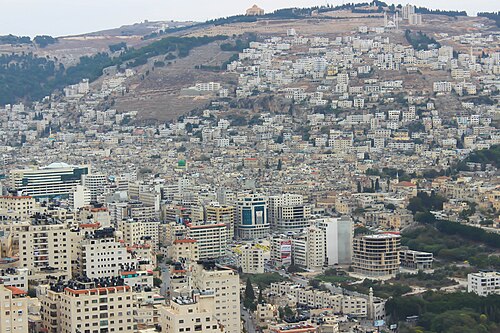
Nablus, located in the northern West Bank of Palestine, is one of the oldest cities in the region, with a rich history that dates back over 9,000 years. It is situated at the foot of Mount Gerizim and serves as a cultural and economic hub for the Palestinian territories. The city was established in the Roman era, originally known as Neapolis, and has since been influenced by various civilizations, including the Byzantine, Islamic, Crusader, and Ottoman empires. Today, Nablus is known for its vibrant marketplaces, traditional soap production, and distinctive architecture, which includes the famous Ottoman-era buildings and the historic Old City, a labyrinth of narrow streets and stone houses.
Economically, Nablus plays a vital role in the Palestinian economy, characterized by its local businesses, particularly in the sectors of olive oil production, textiles, and the renowned Nablus soap. The city is also famous for its culinary specialties, such as kunafeh, a popular dessert made from thin noodle-like pastry soaked in syrup. Despite its rich cultural heritage and economic potential, Nablus faces significant challenges due to the ongoing Israeli-Palestinian conflict. The city has been impacted by military operations, restrictions on movement, and economic hardships that have affected its population. Nevertheless, the residents of Nablus have demonstrated resilience, maintaining their cultural traditions and continuing to strive for economic development amidst adversity. With a population of approximately 150,000, Nablus remains a vibrant center of Palestinian identity and pride, attracting visitors who seek to understand the complexities of life in the region.
Facts about Nablus
- Nablus is one of the oldest cities in the world, with continuous habitation dating back to biblical times.
- The city is home to the famous Jacob's Well, a biblical site where it is believed that Jesus asked for water from a Samaritan woman.
- Nablus is known for its traditional soap-making industry, particularly the production of olive oil soap, which has been a craft for hundreds of years.
- The city's historic architecture features unique Ottoman-era buildings, including the old city that is characterized by its narrow streets and stone structures.
- Nablus is renowned for its delicious kanafeh, a traditional Palestinian dessert made from thin noodle pastry soaked in syrup and layered with cheese.
- It has a diverse mix of cultures and historical influences, with significant Jewish, Christian, and Muslim heritages contributing to its rich history.
- The archaeological site of Mount Gerizim, which is significant to the Samaritan community, overlooks Nablus and is considered a holy site.
- Nablus was a center of resistance during the 2000 Second Intifada, leading to significant urban developments and a heightened sense of Palestinian identity.
- The city is surrounded by beautiful mountainous landscapes, providing numerous hiking opportunities and stunning views.
- Nablus is famously referred to as the 'city of olive oil' due to its extensive olive groves and production of high-quality olive oil.