Naga, Philippines
- 174,931 people
- 10.209, 123.758
No places available for this city.
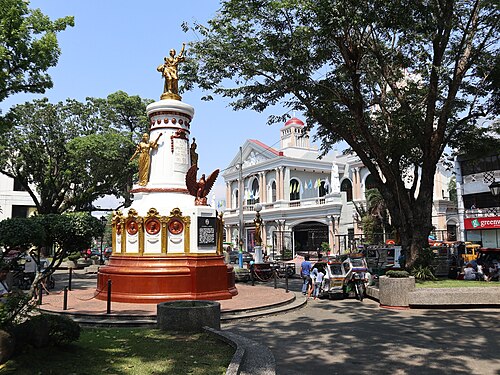
Naga, a city located in the Bicol Region of the Philippines, is known for its rich cultural heritage, vibrant local traditions, and significant historical importance. Situated approximately 340 kilometers southeast of Manila, Naga serves as the political, educational, and commercial hub of the Bicol Peninsula. The city is distinctively recognized for its festive atmosphere, particularly during the Peñafrancia Festival, which honors the Virgin of Peñafrancia, the patroness of Bicolandia. This annual celebration attracts thousands of devotees and tourists, showcasing a lively blend of religious fervor and cultural pride. The festival culminates in a grand fluvial procession along the Naga River, drawing immense crowds and fostering community spirit.
Naga has a diverse economy primarily driven by trade, agriculture, and education. The city boasts several educational institutions, including the University of Nueva Caceres and Central Bicol State University of Agriculture, contributing to its reputation as an educational center in the region. Additionally, Naga is known for its agricultural products, particularly rice, coconuts, and various fruits and vegetables, which support both local consumption and trade. The city's strategic location also plays a crucial role in regional commerce, connecting different provinces and facilitating the movement of goods and services. Naga's urban landscape is characterized by a unique blend of modern development and historical landmarks, reflecting its evolution over the years. With its warm, friendly atmosphere and a wealth of cultural experiences, Naga remains a vibrant city that captures the essence of Bicolano identity and hospitality.
Facts about Naga
- Naga City is known as the 'Gateway to Bicol' and serves as a key commercial hub in the Bicol Region of the Philippines.
- The city is famous for its annual Peñafrancia Festival, one of the largest religious festivals in the Philippines, honoring Our Lady of Peñafrancia.
- Naga City is home to the historic Naga Cathedral, also known as the Metropolitan Cathedral of Saint John the Evangelist, which dates back to the 18th century.
- It was the site of the first Philippine Congress in 1898, which laid the groundwork for the country's governance.
- Naga is recognized as the 'City of the Most Holy Virgin' due to its deep-rooted Catholic traditions and numerous religious landmarks.
- The city has a rich culinary heritage, famous for local delicacies such as Bicol Express and other spicy dishes.
- Naga City is part of a larger metropolitan area that includes nearby municipalities, making it an urban center with diverse amenities.
- The city has a notable educational institution, Ateneo de Naga University, which is among the top universities in the Bicol Region.
- Naga City is incorporated with innovative public service initiatives and was recognized for its effective delivery of local governance.
- The city is surrounded by scenic natural attractions, including nearby Mount Isarog, which offers various outdoor activities and eco-tourism opportunities.