Nagahama, Japan
- 62,089 people
- 6 places to visit
- 35.3806, 136.2783
Places to Visit (6)
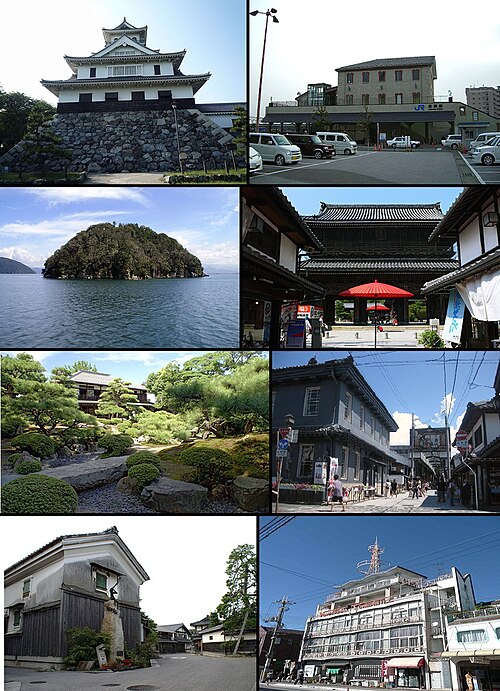
Nagahama is a city located in Shiga Prefecture, Japan, on the western shore of Lake Biwa, the largest freshwater lake in Japan. The city covers an area of approximately 1,072 square kilometers and is home to a population of around 125,000 residents. Established as a castle town during the feudal era, Nagahama has a rich history that dates back to the 16th century when it was developed by the warlord Toyotomi Hideyoshi. The city remains an important cultural and historical hub, attracting visitors with its well-preserved architecture, traditional crafts, and scenic landscapes.
One of Nagahama's most notable landmarks is Nagahama Castle, originally built by Hideyoshi in 1575. The castle is now a reconstructed facility, and it hosts a museum that showcases the samurai culture and history of the region. The surrounding area features beautiful parks, gardens, and the famed cherry blossoms that draw crowds during the spring season. Additionally, Nagahama is known for its traditional pottery, particularly the Nagahama ware, which has been produced since the Edo period. The city also celebrates various festivals, such as the Nagahama Hikiyama Matsuri, which features colorful floats and traditional performances, offering a glimpse into its vibrant cultural heritage.
The region's economy is supported by agriculture, particularly rice and vegetable cultivation, as well as tourism. Nagahama is strategically located near major transportation routes, including the Tōkaidō Shinkansen line and the Meishin Expressway, facilitating access to larger cities such as Kyoto and Nagoya. The city’s proximity to Lake Biwa enhances its appeal, providing opportunities for water sports, fishing, and recreational activities. With its blend of history, culture, and natural beauty, Nagahama remains a significant destination for both local and international tourists seeking to explore the heart of Japan's cultural legacy.
Facts about Nagahama
- Nagahama is renowned for its historic castle, Nagahama Castle, which was originally built in 1590 and features a reconstruction that houses a museum showcasing local history.
- The city is famous for the production of traditional Japanese sake, with several breweries that utilize the clean waters from Lake Biwa, the largest freshwater lake in Japan.
- Nagahama hosts the annual Nagahama Hatsu Matsuri, a vibrant spring festival that features unique floating palanquins and elaborate floats, distinguished by their artistic designs.
- The city is known for its 'Mizuki Watanabe' plum blossoms, celebrated in spring, and can be viewed at the beautiful Nakae Sōkeiji Temple.
- Bihōraku, a distinctive local style of pottery, originates from Nagahama and is characterized by its beautiful, rustic glazes and traditional production techniques.
- Nagahama played a significant role during the Sengoku period as a strategic location, involving key historical figures such as Toyotomi Hideyoshi and his connections to the region.
- The city is home to the historic Yamazaki-ya, which is one of the few remaining Edo period merchant houses, showcasing the architectural style and lifestyle of that era.
- Nagahama is situated on the shores of Lake Biwa, providing residents and tourists stunning lake views and opportunities for various water sports and leisure activities.
- The city has a thriving cherry blossom scene, with some of its parks, such as Kurokawa Park, being famous spots for hanami (flower viewing) during the cherry blossom season.
- Nagahama is the birthplace of the famous Japanese painter and woodblock print artist, Utagawa Kuniyoshi, recognized for his dramatic imagery and unique artistic style.