Nagano, Japan
- 360,176 people
- 6 places to visit
- 36.6485, 138.195
Places to Visit (6)
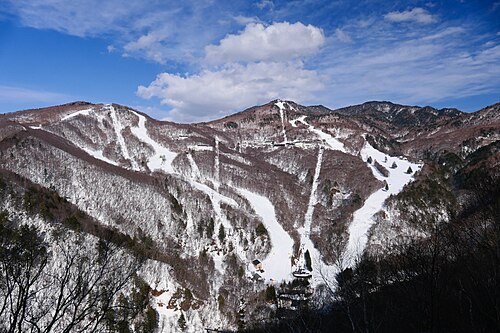
Nagano is a picturesque city located in the central region of Japan, known for its stunning natural scenery and rich cultural heritage. Surrounded by the Japanese Alps, it offers breathtaking views and a wide array of outdoor activities, making it a popular destination for both domestic and international travelers. The city served as the host for the 1998 Winter Olympics, which significantly enhanced its international profile and infrastructure. Nagano is situated at an altitude of approximately 800 meters and features a temperate climate with significant snowfall in winter, attracting winter sports enthusiasts to its nearby ski resorts.
The city's historical significance is evident in its numerous temples and shrines, with Zenko-ji being the most famous among them. This ancient Buddhist temple, dating back to the 7th century, is a major pilgrimage site and attracts millions of visitors each year. Nagano also offers a glimpse into traditional Japanese culture through its preserved architecture, local festivals, and artisan crafts. The region is known for its delicious cuisine, particularly soba noodles, and high-quality sake. Moreover, Nagano is home to various onsen (hot springs), allowing visitors to experience Japan's renowned bathing culture in a serene setting. The Nagano prefecture, which encompasses the city, is known for its natural beauty, boasting numerous national parks, hiking trails, and scenic landscapes, making it an ideal location for nature lovers.
Economically, Nagano has transitioned over the years from a predominantly agricultural community to a more diverse economy that includes tourism, manufacturing, and agriculture. The region produces a variety of fruits and vegetables, including apples, grapes, and more recently, organic produce. The city has been focusing on sustainable development and promoting local products to strengthen its economy while maintaining its environmental integrity. Nagano's blend of natural beauty, cultural richness, and modern amenities makes it a charming and vibrant place to live and visit, encapsulating the essence of both traditional and contemporary Japan.
Facts about Nagano
- Nagano was the host city for the 1998 Winter Olympics, making it one of the prominent winter sports destinations in Japan.
- The city is home to Zenko-ji, one of the most important Buddhist temples in Japan, which attracts millions of visitors annually and is known for its key cultural heritage.
- Nagano Prefecture is famous for its natural hot springs, or 'onsen', with numerous ryokan (traditional inns) offering visitors a chance to relax in these therapeutic baths.
- Nagano is renowned for its production of high-quality apples, particularly the 'Shinano Sweet' variety, making it a significant agricultural hub in Japan.
- The area is also known for the production of soba noodles, particularly buckwheat soba, with many local restaurants serving this popular dish.
- Nagano is surrounded by the Japanese Alps, offering stunning mountainous landscapes and a wide range of outdoor recreational activities, including hiking and skiing.
- The city played a significant role in World War II, housing a military airfield, and has several historical sites related to this period.
- Nagano is the only city in Japan to be known by the nickname 'The City of Snow,' owing to its heavy snowfall during winter due to its climate and geographical location.
- The city celebrates the Nagano Summer Festival, which includes traditional dance, food stalls, and fireworks, showcasing local culture and community spirit.
- A significant event in Nagano's history is the establishment of the Nagano International Jinja (Shrine) in 1998, which reflects the city's growth as an international city.