Nagareyama, Japan
- 200,136 people
- 15 places to visit
- 35.8563, 139.903
Places to Visit (15)
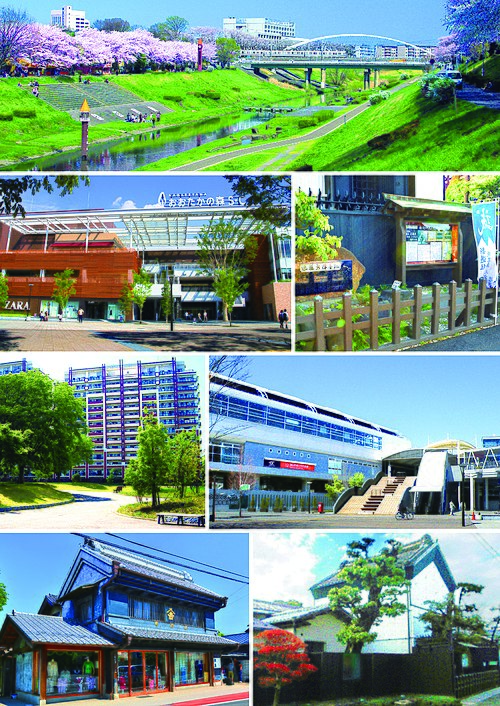
Nagareyama is a city located in Chiba Prefecture, Japan, situated to the north of the metropolis of Tokyo, making it part of the Greater Tokyo Area. Established as a city in 2004, Nagareyama was born from the merger of several towns including Nagareyama and Matsuo. As of 2021, the city's population is estimated at around 120,000 residents, and it covers an area of approximately 38.19 square kilometers. The city is known for its suburban environment, characterized by a combination of residential neighborhoods, parks, and commercial districts, providing a balance between urban convenience and natural spaces.
Nagareyama is well-connected to Tokyo through the Tsukuba Express, which allows for an efficient commute to the capital, fostering a growing population of professionals and families seeking a more tranquil living environment outside the hustle and bustle of Tokyo. The city boasts various amenities, including shopping centers, schools, and healthcare facilities, contributing to its appeal as a residential area. Additionally, Nagareyama hosts the "Nagareyama Fireworks Festival," a popular annual event that attracts visitors and residents alike, showcasing the community's vibrant culture. The city is also home to several historical sites, such as temples and shrines, that reflect its rich heritage. With its blend of convenience, recreational opportunities, and cultural offerings, Nagareyama continues to evolve as an attractive destination for both residents and visitors.
Facts about Nagareyama
- Nagareyama is home to the famous 'Nagareyama Otaki Park', which features scenic views and historical significance, including remnants of Edo-period structures.
- The city celebrates the 'Nagareyama Gion Matsuri', a traditional festival that showcases local culture with parades and traditional performances, distinct from many other similar festivals in Japan.
- Nagareyama is located near the confluence of the Edo River and the Naka River, making it a historically strategic location for trade and transport during the Edo period.
- The city is recognized for its commitment to preserving green spaces, including numerous parks that are integrated into its urban planning, setting it apart from more densely populated areas.
- Nagareyama's 'Nagareyama Mizu no Tamagawa' event emphasizes water conservation and eco-awareness, drawing attention to the city's natural resources and environmental initiatives.
- The city has a unique local specialty called 'Nagareyama Jako', a type of small fish that is celebrated in various regional dishes and culinary traditions.
- Nagareyama is known for its system of 'Community Business Partners', initiatives that help local businesses thrive while fostering community engagement, a model not as prevalent in larger cities.
- The city features the 'Shisen-do Temple', a lesser-known temple that provides insights into the area's spiritual heritage and architecture, differentiating it from more famous temples found elsewhere in Japan.
- Nagareyama's proximity to Tokyo makes it a commuter town with a unique blend of urban and rural lifestyles, offering a different experience compared to completely urbanized areas.
- The region has a lively arts scene, hosting events that celebrate local artists and craftsmen, including annual art exhibitions that promote community creativity and cultural expression.