Nagasaki, Japan
- 407,624 people
- 15 places to visit
- 32.7503, 129.8779
Places to Visit (15)
Nagasaki is a vibrant city located on the island of Kyushu in Japan. It serves as the capital of Nagasaki Prefecture and is renowned for its rich maritime history, stunning natural landscapes, and cultural significance. Founded in the 16th century, Nagasaki emerged as a key trading post for foreign merchants, particularly during Japan's period of isolation, known as Sakoku. The city's unique geographical features, including its picturesque hills and harbor, contributed greatly to its development as a center for international trade and cultural exchange. Influences from Portuguese and Dutch traders are evident in the architecture and cuisine, making Nagasaki a melting pot of Eastern and Western cultures.
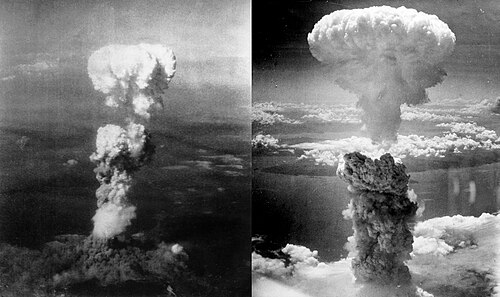
Nagasaki is perhaps best known for the tragic events of August 9, 1945, when it became the second city in the world to suffer an atomic bombing during World War II. The consequences of this event were significant, leading to widespread devastation and loss of life. Today, the city memorializes its history through various monuments and museums, such as the Nagasaki Peace Park and the Atomic Bomb Museum, which serve as reminders of the past and promote peace. In addition to its historical importance, Nagasaki is renowned for its festivals, including the Nagasaki Lantern Festival, which attracts thousands of visitors. The city's culinary scene, especially its famous champon noodles and kakuni (braised pork), further highlights its cultural richness. With its blend of history, culture, and resilient spirit, Nagasaki continues to be a significant destination for both domestic and international tourists.
Facts about Nagasaki
- Nagasaki was the only Japanese port open to foreign trade during the Edo period, making it unique in fostering early international relations.
- The city was the site of the second atomic bombing in World War II on August 9, 1945, leading to significant historical reflections and peace initiatives.
- Nagasaki's Dutch Slopes are a historical area that highlights the influence of Dutch traders, with unique architecture and the Dejima Island being a notable remnant.
- The city is known for its vibrant multicultural history, notably the presence of Christians and the construction of many churches, including the iconic Urakami Cathedral.
- Nagasaki hosts the annual Nagasaki Kunchi festival, a UNESCO Intangible Cultural Heritage event, showcasing a blend of Japanese and Chinese culture.
- The city features the scenic Nagasaki Peace Park, which commemorates the victims of the atomic bombing and promotes peace and nuclear disarmament.
- Nagasaki is famous for its unique dish 'Champon', a noodle soup that reflects the city's cultural blend of influences from China and the Netherlands.
- The views from Mount Inasa offer breathtaking panoramas, rated among the best night views in the world, distinguishing Nagasaki's topography.
- Nagasaki's Glover Garden presents Western-style residences from the Meiji period, signifying the city's historical openness to Western influence.
- The city has a unique geography with many hilly areas and a complex waterfront, differing from the predominantly flat landscapes found in many other Japanese cities.