Nagoya, Japan
- 2,191,279 people
- 14 places to visit
- 35.1815, 136.9066
Places to Visit (14)
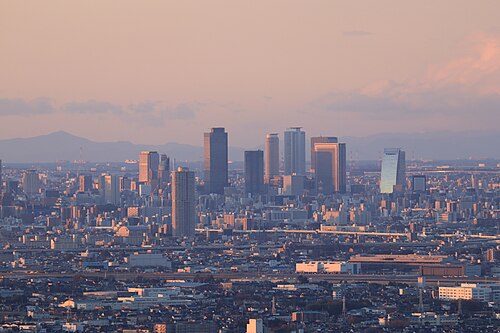
Nagoya, the fourth-largest city in Japan, is situated on the Pacific coast of Honshu, the country's main island. As the capital of Aichi Prefecture, it is a vital economic and cultural hub in the Chubu region. With a population of over 2.3 million, Nagoya is renowned for its historical significance, technological advancements, and distinctive local cuisine. The city's origins date back to the Edo period, during which it blossomed as a castle town centered around Nagoya Castle, a magnificent structure built in the early 17th century by the Tokugawa shogunate. The castle, famous for its golden shachi (mythical dolphin-like creatures) atop its roof, serves as a symbol of the city and showcases a museum that recounts the history and culture of Nagoya.
In addition to its historical landmarks, Nagoya is an industrial powerhouse, particularly noted for its automotive and manufacturing sectors. Major corporations, including Toyota Motor Corporation, have their headquarters in the region, making Nagoya integral to Japan's economy and its reputation as a global leader in technology and innovation. The city's urban landscape is characterized by a mix of modern skyscrapers and traditional architecture, with notable structures like the unique Nagoya TV Tower and the futuristic Oasis 21 complex. The city also boasts vibrant shopping districts, such as Sakae, which offer a rich array of dining and entertainment options. Nagoya's gastronomy is distinct, featuring local specialties such as miso katsu (breaded and deep-fried pork cutlet with a rich red miso sauce), hitsumabushi (grilled eel over rice), and ankake spaghetti (thick spaghetti served with a rich, savory sauce).
Culturally, Nagoya is home to several museums, theaters, and annual festivals that celebrate its heritage. The Atsuta Shrine, one of Japan's most important Shinto shrines, is located in the city and houses the sacred sword Kusanagi-no-Tsurugi, one of Japan's three imperial regalia. The city also hosts the Nagoya Matsuri, a vibrant festival showcasing traditional parades, music, and dance. Nagoya's strategic location, serving as a transportation hub with its bullet train connections to Tokyo and Osaka, enhances its accessibility and makes it a promising destination for tourists. Whether exploring its rich history, indulging in its unique culinary treats, or engaging with its innovative industrial scene, Nagoya presents a captivating blend of tradition and modernity, making it a significant player in Japan's cultural and economic landscape.
Facts about Nagoya
- Nagoya is home to the Atsuta Shrine, which houses a sacred sword, one of Japan's three imperial regalia, and is considered one of the most important Shinto shrines in the country.
- The city is famous for its unique cuisine, including hitsumabushi, a grilled eel dish that is served over rice and can be eaten in three different ways.
- Nagoya is known for its automotive industry, being the headquarters of Toyota Motor Corporation, one of the largest automobile manufacturers in the world.
- Nagoya Castle, a historical landmark built in the early Edo period, features a unique gold shachihoko (mythical tiger-dolphin) on its roof and is a designated Important Cultural Property of Japan.
- The city hosts the Nagoya Commode, an annual comedic festival that showcases the best of Japanese humor, setting it apart with a focus on entertainment.
- Nagoya is recognized for its innovative public transportation system, including the Linimo, a maglev train that operates on a suspended track, one of the first of its kind in the world.
- The Nagoya Institute of Technology is renowned for its engineering programs and has contributed significantly to Japan's technological advancements.
- Nagoya is geographically located in the Chubu region, making it a central hub for transport and trade in Japan, often overshadowed by cities like Tokyo and Osaka.
- The city celebrates the Nagoya Matsuri, a vibrant festival featuring elaborate floats and parades, that highlights the region's rich cultural heritage and history.
- Nagoya's Osu Kannon Temple is known for its vibrant shopping district surrounding it, making it a unique blend of spirituality and modern commercial culture.