Nagpur, India
- 2,228,018 people
- 16 places to visit
- 21.1458, 79.0882
Places to Visit (16)
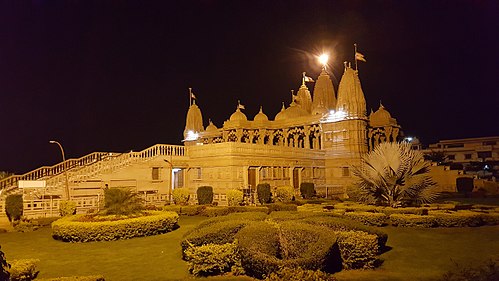
Nagpur, the winter capital of the Indian state of Maharashtra, is known for its vibrant culture, rich history, and significance as a major commercial and political center. Located in the heart of India, Nagpur is often referred to as the "Orange City" due to its prominence in the production of oranges, which are a key agricultural product of the region. The city has a population of over 2.4 million, making it one of the largest cities in Maharashtra. Nagpur serves as an important trade hub, with well-developed infrastructure, including a robust railway network, national highways, and an international airport, facilitating connectivity to various parts of the country and beyond.
Nagpur is steeped in historical significance and hosts several landmarks that reflect its past. The city is the site of the Deekshabhoomi, a sacred monument where Dr. B.R. Ambedkar, a prominent social reformer and the architect of the Indian Constitution, embraced Buddhism along with thousands of his followers in 1956. This site has become a focal point for Buddhist pilgrimage. Additionally, Nagpur is home to the Sitabuldi Fort, dating back to the early 19th century, and the sprawling Maharaj Baug and Zoo, which showcases the city’s commitment to biodiversity. The local economy thrives on diverse sectors, including education, trade, manufacturing, and information technology. Hosting several educational institutions, including the prestigious Indian Institute of Management Nagpur, the city is also evolving into an educational hub.
Nagpur's cultural tapestry is woven from various traditions and festivals, with major celebrations including Diwali, Ganesh Chaturthi, and Dussehra, drawing large crowds and fostering community spirit. The city also boasts a range of culinary offerings, from street food to traditional Maharashtrian cuisine, exemplified by dishes like poha, samosas, and various sweets. Given its geographic location at the convergence of several national highways, Nagpur is often chosen as a meeting point for various conferences and trade fairs, enhancing its status as a center for business and tourism. As an emerging urban center, Nagpur balances its historical heritage with modern growth, making it a significant and attractive city in India.
Facts about Nagpur
- Nagpur is known as the 'Orange City' because it is a major trade center for oranges produced in the region.
- The city is home to the Zero Mile Stone, which marks the geographical center of India, making it a significant landmark.
- Nagpur has a unique history as the former capital of the state of the Nagpur Kingdom and has a rich cultural legacy influenced by various dynasties.
- The Deekshabhoomi in Nagpur is an important Buddhist monument where Dr. B.R. Ambedkar converted to Buddhism along with thousands of followers in 1956.
- Nagpur is the only city in India that has a fully functional, dedicated facility for training and development of fire and safety services, called the Maharashtra Fire Services Training Center.
- The city hosts the annual Orange Festival, which attracts tourists and celebrates its agricultural products, specifically oranges.
- Nagpur's Lok Sabha constituency is significant as it elected the first female speaker of the Lok Sabha, Meira Kumar, in 2009.
- The city boasts of a unique type of cuisine, known as Nagpuri, which includes dishes such as Tarri Poha and Saoji cuisine, highlighting the regional flavors.
- Nagpur has a vibrant educational ecosystem, with institutions like the Indian Institute of Management (IIM) Nagpur, showing its commitment to higher education.
- The city is home to several large, historic parks like the Futala Lake and Seminary Hills, offering scenic beauty and gatherings for residents and visitors.