Nagykanizsa, Hungary
- 47,349 people
- 15 places to visit
- 46.459, 16.9897
Places to Visit (15)
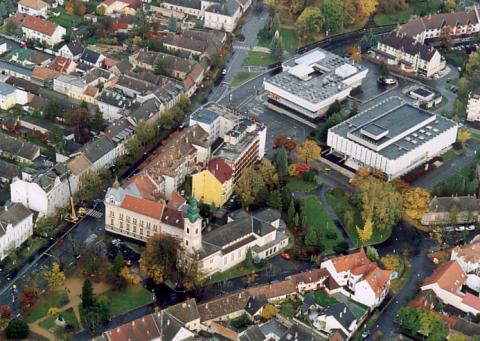
Nagykanizsa is a significant city located in southwestern Hungary, within Zala County. With a population of around 48,000 residents, it is one of the largest urban centers in the region. The city lies on the banks of the Kanizsa River and is strategically positioned on major transportation routes, serving as a hub that connects various parts of Hungary with neighboring countries. Nagykanizsa's rich history dates back to the Roman era, when it was known as "Aquila." It flourished during the Middle Ages due to its advantageous location, and it became an important locale for trade and commerce.
Throughout its history, Nagykanizsa has been influenced by various cultures and political powers, including the Ottomans and the Habsburgs, which has left a mark on its architecture and urban development. The city is known for its eclectic mix of architectural styles, featuring buildings from different periods, including Gothic, Baroque, and modern designs. One of its most notable landmarks is the Church of St. Roch, a Baroque-style church dating back to the 18th century. Nagykanizsa also boasts a vibrant cultural scene, hosting numerous festivals and events that celebrate its diverse heritage. The city's environment is enhanced by beautiful parks and green spaces, making it a pleasant place for both residents and visitors.
Economically, Nagykanizsa has transitioned from a historically agriculture-based economy to a more diversified one, with manufacturing, commerce, and services playing a critical role. The city's industrial park has attracted various companies, contributing to local job creation and economic growth. Educational institutions, including vocational schools and a campus of the University of Pannonia, support the workforce by providing skills training and higher education opportunities. Additionally, Nagykanizsa serves as a cultural melting pot, with a blend of traditions and influences that reflect its historical background. Overall, the city is characterized by its historical significance, economic vitality, and commitment to preserving its cultural identity.
Facts about Nagykanizsa
- Nagykanizsa is known for its rich history as a major center for the tobacco trade in Hungary.
- The city features a unique blend of architectural styles, including Gothic, Baroque, and Art Nouveau, which is less common in other Hungarian towns.
- Nagykanizsa is home to the impressive Kanizsa Castle ruins, which date back to the 13th century and serve as a reminder of the city's medieval past.
- The city's weekly market, called the 'Nagykanizsai Piac', is one of the largest in the region, showcasing local produce and crafts.
- Nagykanizsa hosts the annual 'Zaker Sobo' festival, celebrating the city's cultural heritage with traditional music, dance, and crafts.
- The city has established a unique tradition of 'Komlós' embroidery, a style specific to the Nagykanizsa area.
- Nagykanizsa's public transportation system includes a distinctive trolleybus network, which is a rarity in Hungary.
- The city boasts a significant Jewish heritage, with a historical synagogue that reflects the community's influence in the region.
- Nagykanizsa is surrounded by beautiful natural landscapes, including the Kápolna Hill, which offers panoramic views of the area.
- The city has a historical significance as an important railway junction, which has played a pivotal role in the development of transportation in Hungary.