Naihāti, India
- 253,221 people
- 5 places to visit
- 22.8895, 88.422
Places to Visit (5)
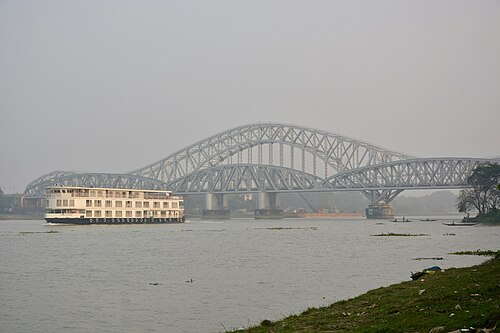
Naihāti is a town located in the North 24 Parganas district of West Bengal, India. Positioned approximately 40 kilometers from Kolkata, it serves as an important suburban area that melds historical significance with contemporary urban life. Naihāti is strategically situated along the banks of the Hooghly River, which has historically made it a significant trade and transportation hub. The town connects various regions through the Naihati railway station, part of the Eastern Railway zone, and serves as a transit point for commuters traveling to and from Kolkata and neighboring areas.
The cultural fabric of Naihāti is rich and diverse, reflecting a blend of traditional Bengali heritage and modern influences. The town is known for its various festivals, particularly Durga Puja, which sees extensive participation from the community, illustrating the strong communal ties among residents. Naihāti is also recognized for its contributions to arts and crafts, particularly in the production of clay dolls known as "Naihati dolls," which are traditional handicrafts popular in the region. Additionally, there are several temples and maternal shrines that highlight the religious fervor present in the town, attracting devotees and visitors alike.
In terms of education and infrastructure, Naihāti has made strides in recent years, with several schools and colleges contributing to educational development. The presence of healthcare facilities and local markets serves the daily needs of its residents, enhancing the quality of life. Moreover, the proximity to Kolkata fosters economic opportunities, encouraging small-scale industries and entrepreneurship within the town. As it continues to evolve, Naihāti represents a microcosm of the broader changes in urban India, balancing growth, tradition, and social cohesion.
Facts about Naihāti
- Naihāti is known for its historical significance as a center for the production of handwoven textiles, particularly fine muslin.
- The city is located on the banks of the Hooghly River, providing it with a strategic location in terms of trade and transport.
- Naihāti is home to the famous 'Naihāti Cheeta,' a traditional Indian sweet that is a unique culinary specialty of the region.
- The Naihāti Railway Station is an important junction on the Eastern Railway, connecting the city efficiently to Kolkata and other major cities.
- The town has a rich history associated with the rural Bengal Renaissance, flourishing in art and culture during the 19th century.
- Naihāti is also recognized for its vibrant local festivals, particularly Durga Puja, which features elaborate decorations and community involvement.
- Historically, Naihāti played a role during the First War of Independence in 1857, contributing to the freedom struggle.
- The city features several colonial-era structures, showcasing architectural styles from the British Raj, which adds to its charm.
- Naihāti has a unique blend of Hindu and Muslim communities, fostering a diverse cultural atmosphere and various religious festivals.
- It is known for its nearby natural attractions, such as the serene banks of the river and lush agricultural fields surrounding the area.