Nairobi, Kenya
- 4,397,073 people
- 8 places to visit
- -1.2921, 36.8219
Places to Visit (8)
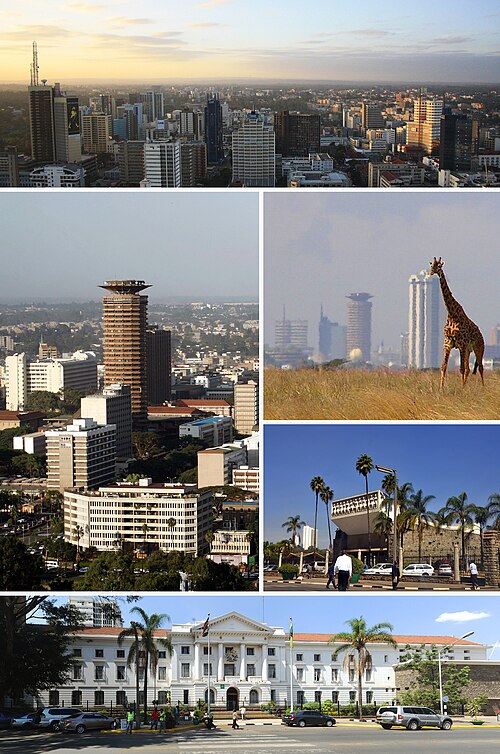
Nairobi, the capital city of Kenya, is not only the largest city in the country but also a significant economic hub in East Africa. Founded in 1899 as a railway depot for the Uganda Railway, Nairobi quickly evolved into a key administrative and commercial center. With a population exceeding four million, it serves as a melting pot of cultures, showcasing a diverse blend of ethnic groups, languages, and traditions. Swahili and English are the official languages, and the city's cosmopolitan nature is reflected in its vibrant arts scene, culinary offerings, and bustling markets.
Nairobi is renowned for its unique juxtaposition of urban life and wildlife. One of its most distinctive features is the Nairobi National Park, which lies just outside the city center and is home to a variety of animals, including lions, giraffes, and rhinos. This proximity to nature, combined with modern amenities, underscores Nairobi's reputation as a global city. The city is also the regional headquarters for numerous international organizations, including the United Nations Environment Programme (UNEP) and the United Nations Habitat, enhancing its status as a key player in environmental and developmental issues. Nairobi's economy is diversified, with significant contributions from sectors such as finance, technology, and tourism, while its infrastructure continues to develop, including the expansion of roadways and the introduction of a modern commuter rail system.
Despite its rapid growth and development, Nairobi faces challenges typical of urban centers, such as congestion, inadequate housing, and environmental concerns. Efforts are ongoing to tackle these issues through various initiatives aimed at improving public transport, enhancing waste management, and promoting sustainable urban practices. The city's dynamic landscape, rich history, and strategic importance make Nairobi not only a focal point for Kenya but also a critical link to the broader African continent and the global community.
Facts about Nairobi
- Nairobi is the only city in the world with a national park within its city limits, home to a variety of wildlife including lions, giraffes, and rhinos.
- The city serves as the regional hub for several international organizations, including the United Nations Environment Programme (UNEP) and the United Nations Office at Nairobi (UNON).
- Nairobi's railway system is historically significant as it was the terminus of the Uganda Railway, which played a crucial role in the development of East Africa in the late 19th century.
- The Nairobi National Museum is the country's national museum and showcases Kenya's rich cultural heritage, including prehistoric fossils and art.
- Nairobi became the capital of Kenya in 1963 when the country gained independence and has since grown into the largest city in East Africa.
- The city is known for its vibrant arts scene, including the Bomas of Kenya, which showcases traditional music, dance performances, and crafts.
- Nairobi is a major tech hub in Africa, often referred to as 'Silicon Savannah' due to its growing number of tech startups and innovation centers.
- The Nairobi Railway Museum preserves the history of rail transport in Kenya and exhibits vintage locomotives and carriages.
- The city hosts the Nairobi International Trade Fair annually, showcasing agricultural products and innovations, making it a significant event for trade in the region.
- Nairobi is famous for its street art, particularly in districts like Korogocho and Soweto, where local artists have transformed walls into vibrant canvases of expression.