Najaf, Iraq
- 482,576 people
- 2 places to visit
- 32.0316, 44.3219
Places to Visit (2)
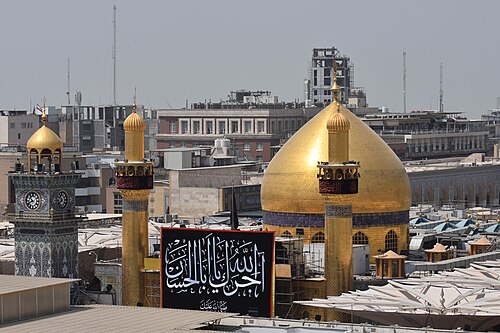
Najaf is a prominent city located in central Iraq, approximately 160 kilometers south of Baghdad. Renowned as one of the holiest cities in Shia Islam, it serves as a significant religious, cultural, and educational center. The city is best known for the Imam Ali Shrine, which is built over the tomb of Ali ibn Abi Talib, the cousin and son-in-law of the Prophet Muhammad, and the first Imam in Shia belief. This site attracts millions of pilgrims each year, not only from Iraq but also from around the world, making Najaf a pivotal destination for those seeking spiritual fulfillment.
The origins of Najaf date back to the 7th century, and it gained prominence during the Abbasid Caliphate as a center of Islamic scholarship. The city is home to several renowned religious seminaries, or hawzas, which have produced influential religious leaders and scholars throughout history. The urban landscape of Najaf is marked by a blend of traditional Islamic architecture, highlighted by the golden dome of the Imam Ali Shrine, and modern developments that cater to the growing population. Despite the challenges posed by decades of conflict in Iraq, Najaf has maintained its status as a bastion of Shia Islam and culture, contributing to the resilience and identity of its people.
Economically, Najaf benefits from both religious tourism and local commerce. The influx of pilgrims supports various businesses ranging from hospitality to retail, fostering a dynamic local economy. In addition to religious activities, Najaf has made strides in education and infrastructure development in recent years. Efforts have been undertaken to enhance public services, improve transportation networks, and promote cultural events, revitalizing the city and attracting investment. Amid ongoing security concerns in Iraq, Najaf remains a symbol of faith and perseverance for many, embodying the enduring spirit of its citizens who continue to uphold their rich heritage.
Facts about Najaf
- Najaf is home to the Imam Ali Mosque, one of the holiest sites in Shia Islam, which is considered the burial place of Imam Ali, the cousin and son-in-law of the Prophet Muhammad.
- The city is renowned for its religious significance and is a major pilgrimage destination for millions of Shia Muslims, especially during the annual Arbaeen pilgrimage.
- Najaf is famous for its unique form of Islamic architecture, which includes elaborate tile work and gold-plated domes, particularly in the Imam Ali Mosque.
- The city hosts a significant number of religious seminaries (Hawzas), where students from around the world study Islamic theology and jurisprudence, making it a center for Shia scholarship.
- Najaf's cemetery, Wadi-us-Salaam, is one of the largest cemeteries in the world, and is also a holy site where many prominent Shia figures are buried.
- The city has a rich history dating back to the 7th century, portraying significant historical events, including its role in the early Islamic state and various Islamic dynasties.
- Najaf is known for its vibrant markets and bazaars, particularly the traditional markets that offer a variety of religious artifacts and handmade crafts.
- During the Iraq War, Najaf became a focal point of conflict, particularly due to its significance in Shia politics and the presence of Muqtada al-Sadr's militia.
- The city continues to play a crucial role in Iraqi politics, especially in representing Shia interests and in discussions regarding national unity and sectarianism.
- Najaf's unique mix of spiritual and cultural heritage, combined with its historical importance, distinguishes it from other cities in Iraq.