Najafābād, Iran
- 223,450 people
- 5 places to visit
- 32.6372, 51.3572
Places to Visit (5)
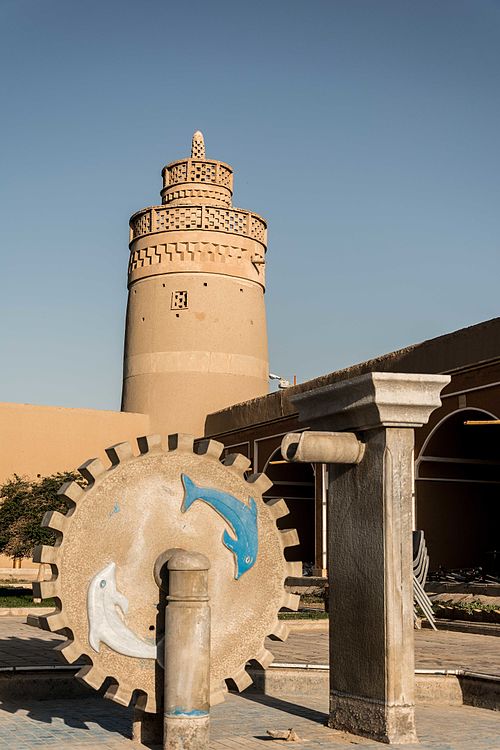
Najafābād is a city located in the Isfahan Province of Iran, situated approximately 30 kilometers northwest of the city of Isfahan. With a rich history that dates back several centuries, Najafābād serves as a cultural and economic hub in the region. The city is notable for its strategic location along major trade routes that connect various parts of Iran, contributing significantly to its development over time. Najafābād is home to a diverse population, which includes ethnic Persians and various minority groups, reflecting the multicultural fabric of the region.
Economically, Najafābād is characterized by its agricultural activities, benefiting from the fertile lands of the Zayandeh River basin. The city cultivates a variety of crops, including wheat, barley, and fruits, which play a crucial role in both local consumption and trade. In addition to agriculture, Najafābād has developed a reputation for its artisanal crafts, particularly in the production of textiles, pottery, and carpets. The city’s bazaar is a vibrant center for commerce, showcasing these traditional crafts, and attracting visitors and locals alike.
Culturally, Najafābād boasts several historical sites and monuments that reflect its Islamic heritage. Among these, the Imamzadeh Ahmad shrine stands out as a significant religious structure, drawing pilgrims and tourists to the city. The community actively celebrates cultural festivals and traditions that highlight its Persian roots, fostering a sense of identity and pride among residents. Najafābād continues to modernize while retaining its historical significance, making it an essential part of Iran's cultural landscape. The city's blend of rich history, economic activity, and cultural vibrancy positions it as an important locale in the broader context of the Isfahan Province and Iran as a whole.
Facts about Najafābād
- Najafābād is known for its rich cultural heritage and historical significance, particularly as a center for the Islamic Revolution in Iran during the late 20th century.
- The city is famous for its beautiful Persian gardens, particularly the Bagh-e Melli, which showcases the traditional landscape design of the region.
- Najafābād is home to the Khaqāni Palace, a notable architectural site that reflects classical Persian architecture and is one of the few surviving historical buildings in the area.
- The city hosts an annual cultural festival that celebrates its rich history, traditions, and the arts, drawing participants from across the country.
- Najafābād is renowned for its traditional handwoven carpets, which are distinctively patterned and sought after both domestically and internationally.
- The city has a significant educational presence, including the Najafabad University, which attracts students from various regions of Iran.
- Najafābād played a crucial role during the early Islamic era and has several historic sites that date back to the Safavid period, integrating Islamic and Persian influences.
- It is also notable for its agricultural production, particularly saffron, contributing to Iran's position as one of the world's largest saffron producers.
- Najafābād has a vibrant local cuisine that features unique dishes and flavors distinct to the Isfahan province, setting it apart from other Iranian cities.
- The city’s location near Isfahan allows it to benefit from the economic and cultural activities of the larger city while maintaining its own unique identity.