Naju, South Korea
- 42,459 people
- 7 places to visit
- 34.9884, 126.7202
Places to Visit (7)
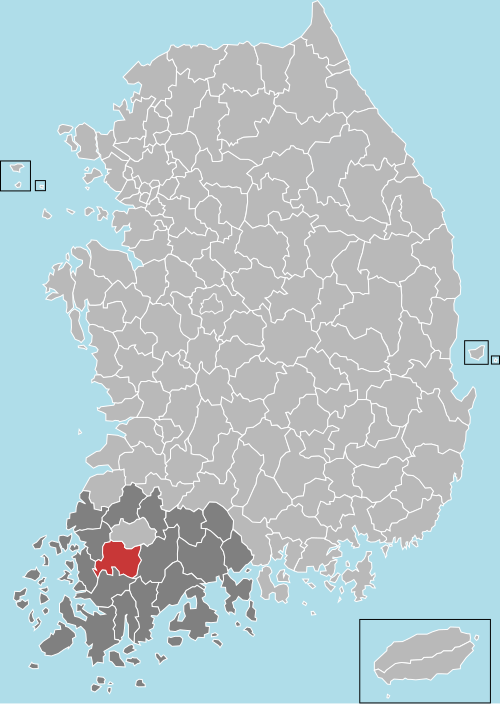
Naju is a city located in the Jeollanam-do province of South Korea, situated in the southwestern part of the country. The city is known for its rich history, cultural heritage, and beautiful natural landscapes. Naju was once the capital of the Jeolla region during the Unified Silla period (668-935 AD), and its historical significance is reflected in numerous ancient sites. The city’s name is derived from the Korean word "naju," which means "a place of exceptional beauty." Naju has a population of approximately 100,000 residents and covers an area of about 754 square kilometers.
One of Naju's notable attractions is the Naju Pear, a variety of pear cultivated in the region that has earned a reputation for its exceptional sweetness and juiciness. As a result, the city holds an annual pear festival that attracts visitors from all over the country, showcasing local produce and traditional crafts. Naju is also known for its picturesque landscapes, including the Naju Sky Park, which provides scenic views of the surrounding countryside, and the Yeongsan River, which flows through the city, offering opportunities for outdoor activities such as fishing and walking. In terms of cultural heritage, Naju features several historical sites, such as the Naju Fortress and the remnants of Gwangju Fortress, which highlight the region's military history. The city actively preserves its historical architecture, with traditional hanok houses and cultural sites, further enriching its appeal for tourists and history enthusiasts alike.
Naju continues to evolve as a modern urban center with various infrastructural developments while maintaining its cultural roots. The city’s economy is diverse, with agriculture, manufacturing, and tourism playing vital roles. As part of South Korea's growing urban landscape, Naju has also invested in smart city initiatives, aiming to enhance residents' quality of life. The city's blend of historical significance and modern development makes it a unique place to visit, offering a glimpse into South Korea's past while embracing the future.
Facts about Naju
- Naju is home to the Naju Image Theme Park, which features large-scale sculptures and installations, making it a unique cultural attraction in South Korea.
- The city is known for its historical significance, particularly as a center of the Goryeo dynasty's commerce and trade during the medieval period.
- Naju hosts the Naju Food Fair, which celebrates local cuisine and agriculture, highlighting the city’s rich agricultural heritage.
- The Naju Pear, a specific variety of pear cultivated in the region, is famous for its sweetness and quality, distinguishing it from other agricultural products in South Korea.
- Naju has a unique festival known as the 'Naju Paper Art Festival', which promotes traditional Korean paper-making and craftsmanship.
- The city features the Songgang River Scenic Area, offering beautiful landscapes and recreational activities, making it a popular local getaway.
- Naju's historic buildings, such as the Naju Hyanggyo (Confucian school), showcase traditional Korean architecture and educational history.
- The Naju City Hall building is an iconic structure recognized for its modern architecture that contrasts with the city's historical sites.
- Naju gained international attention for its local crafts, particularly the production of Naju lacquerware, which is a craft that dates back to the Silla period.
- The Naju area is known for its rich Buddhist heritage, with several temples, including the famous Hongryongsa Temple, attracting tourists and spiritual seekers.