Nakhon Sawan, Thailand
- 82,305 people
- 9 places to visit
- 15.698, 100.1165
Places to Visit (9)
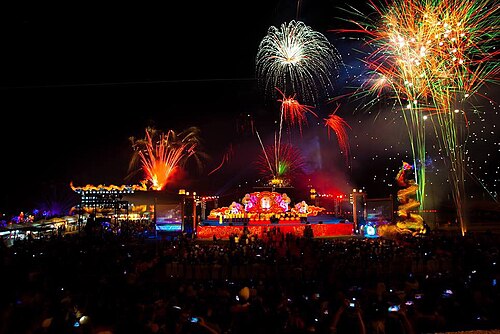
Nakhon Sawan, often referred to as the "Gateway to the North," is a significant city located in the north-central region of Thailand. It serves as the capital of Nakhon Sawan Province and is situated at the confluence of the Ping and Nan rivers, which merge to form the Chao Phraya River. This strategic location has historically made Nakhon Sawan an important hub for transportation and trade, connecting the central region of Thailand to the northern provinces. The city is approximately 240 kilometers north of Bangkok and is accessible via road and rail networks, attracting both travelers and commercial activities.
Nakhon Sawan boasts a rich cultural heritage and is known for its diverse population, which includes ethnic Thai, Chinese, and various indigenous groups. The city is marked by several notable landmarks, including the impressive Khao No, a limestone hill with a temple at its peak that offers panoramic views of the surrounding landscape. The area is also home to numerous temples, such as Wat Woranat Thihara, which is famous for its intricate architecture and vibrant atmosphere during religious festivals. The annual Nakhon Sawan Food Festival showcases the region's culinary delights, emphasizing local flavors and ingredients. The city's economy is supported by agriculture, particularly rice and sugarcane production, alongside trade and tourism, making it a vital contributor to the regional economy.
In addition to its cultural and economic significance, Nakhon Sawan offers various recreational opportunities, including parks and riverside areas that promote outdoor activities. The local community is known for its hospitality, welcoming visitors to explore the rich traditions and natural beauty that the region has to offer. As Nakhon Sawan continues to modernize, it maintains a balance between tradition and development, ensuring that its historical charm and cultural significance are preserved for future generations.
Facts about Nakhon Sawan
- Nakhon Sawan is known as the 'Gateway to Northern Thailand' due to its strategic location at the confluence of the Ping and Nan Rivers, making it a key transportation hub.
- The city boasts the unique 'Phra Kanchang' statue, a large and revered statue of a mythical creature that is a significant symbol of local culture and pride.
- Nakhon Sawan is home to the famous 'Bueng Boraphet', the largest freshwater lake in central Thailand, which is a critical habitat for various species of birds and other wildlife.
- Every year, Nakhon Sawan hosts the 'Boat Racing Festival', attracting participants from across the country and showcasing the rich traditions of Thai longboat racing.
- The Nakhon Sawan area is historically linked with the early stages of Siam's (now Thailand) development, with settlements established since the late Ayutthaya period.
- The city features 'Wat Khun Doi', a significant temple located on a hill that offers panoramic views of the surrounding area, making it a popular destination for tourists and locals alike.
- Nakhon Sawan celebrates its local culture through the 'Nakhon Sawan Fair', an annual event that showcases local foods, crafts, and traditional performances.
- The region is known for its fertile land and agriculture, with a reputation for producing high-quality rice and various fruits, distinguishing it from other provinces.
- Nakhon Sawan also hosts the unique 'Khao Niew Mamuang' (Mango Sticky Rice) festival, celebrating this popular Thai dessert with various culinary variations.
- The city's history includes being the site of various historical battles during the early 20th century, particularly during the conflict involving French colonial forces.