Namp’o, North Korea
- 455,000 people
- 1 places to visit
- 38.7523, 125.3247
Places to Visit (1)
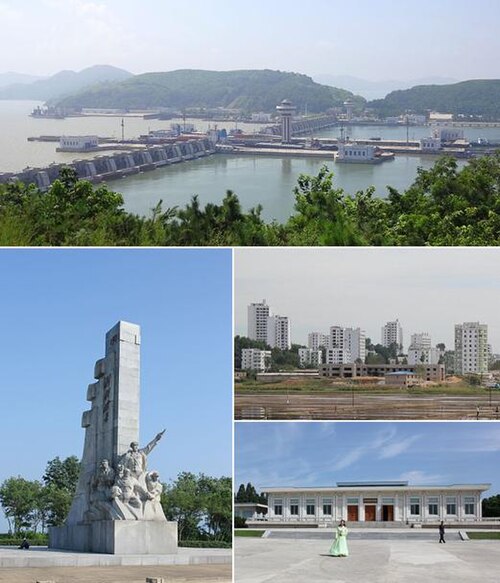
Namp'o is a significant city located in the Namp'o Special City of North Korea, situated on the west coast of the country along the Yellow Sea. It serves as a crucial port and is one of North Korea's key economic centers. Namp'o was established in 1955 and has since developed into an essential hub for trade and industry. Its strategic location has made it a focal point for various economic activities, including shipping and manufacturing. The port of Namp'o facilitates both domestic and international shipping, though international shipping is limited due to the country's restricted engagement with global trade.
The city is home to several industrial complexes and factories that produce a range of goods, including textiles, machinery, and food products. Notably, Namp'o has benefited from the government’s emphasis on acquiring technology and improving industrial production capabilities. Moreover, the city features educational institutions, cultural sites, and recreational areas, making it an important place for residents and visitors. Despite the limitations imposed by North Korea's political system, Namp'o receives some attention from foreign visitors, often as part of state-organized tours. As one of the few cities in North Korea open to external interaction, Namp'o provides a unique glimpse into the nation’s socio-economic landscape and its efforts to engage with the world, albeit within a tightly controlled framework.
Facts about Namp’o
- Namp'o is the only port city in North Korea, serving as a crucial hub for maritime trade.
- The city is home to the Namp'o Complex, which is one of the largest industrial zones in the country, focusing on shipbuilding and fishing.
- Namp'o features the West Sea Barrage, an impressive engineering project that spans over 7 kilometers and helps control water flow and improve agricultural land.
- The city has a unique geographical location at the mouth of the Taedong River, providing it with a strategic advantage for trade and transportation.
- Namp'o was previously known as 'Munso' before its name was changed in 1954 to honor the city in relation to the establishment of a port.
- In Namp'o, visitors can find the Chollima Statue, a well-known symbol of North Korean rapid economic development and self-reliance.
- The city is notable for its annual 'Flower Festival,' celebrating the beauty of flowers and the agricultural strength of the region.
- Namp'o serves as a key location for North Korean tourism, offering sites for both domestic and foreign tourists, including the famous Namp'o Sea.
- Unlike many other cities in North Korea, Namp'o has a significant number of cultural facilities, including theaters and museums, enhancing its role as a cultural hub.
- The city is connected to the capital, Pyongyang, by a major highway and offers unique sightseeing opportunities, such as views of the Taedong River and the surrounding landscape.