Namur, Belgium
- 110,939 people
- 12 places to visit
- 50.4649, 4.8651
Places to Visit (12)
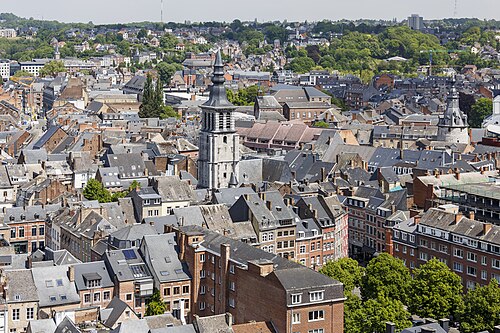
Namur, the capital of Wallonia and the province of Namur in Belgium, is strategically positioned at the confluence of the Meuse and Sambre rivers. This historic city is renowned for its rich cultural heritage, which is manifested in its impressive architecture and vibrant arts scene. Namur is particularly famous for its citadel, a fortress that has stood since the 10th century and offers panoramic views of the city and surrounding landscape. The citadel has played a crucial role in the city’s military history, serving as a significant defense point through various conflicts, including the wars of the 17th century. Today, it is a popular tourist attraction, accessible by foot, car, or cable car.
Beyond its historical significance, Namur is a center for higher education and administration, hosting several universities and institutions. The city is characterized by a blend of modern development and historical preservation, marked by charming streets, picturesque squares, and cultural venues. Notable landmarks include the Saint Aubin Cathedral, a striking example of Baroque architecture, and the Palace of the Prince-Bishops, which showcases the city's historical relationship with the church and governance. Namur also hosts numerous events throughout the year, including the Namur International Comics Festival, which highlights the region's connection to comic art. The city's lively atmosphere is complemented by an array of cafes, restaurants, and shops, making it a popular destination for both residents and visitors. Overall, Namur serves as an essential cultural and administrative hub in Belgium, reflecting the complexities of its history while embracing modernity.
Facts about Namur
- Namur is the capital of the Walloon region of Belgium and serves as the administrative center of the province of Namur.
- The city is known for its impressive Citadel of Namur, a fortress that dates back to the Middle Ages and offers panoramic views of the confluence of the Sambre and Meuse rivers.
- Namur hosts the famous annual festival called the Namur Festival of Animated Film, attracting filmmakers and animation enthusiasts from around the world.
- It is home to the beautiful St. Aubin's Cathedral, which showcases a combination of Romanesque and Baroque architecture, a rarity in Belgium.
- Namur has a unique blend of both French and Flemish influences, making it a cultural melting pot in comparison to other Belgian cities.
- The Namur region is known for its artisanal production of beer, with local breweries such as La Brasserie de la Sambre presenting distinct local flavors.
- The city played a significant role in the history of Belgium during the Industrial Revolution, contributing notably to textile manufacturing.
- Namur is also famous for its lush surrounding nature, particularly the valleys and hills of the Ardennes, providing outdoor recreation opportunities that are distinct from many urban settings.
- The Walloon Parliament is located in Namur, making it a center for regional political activity in Wallonia.
- Namur features the Walloon Museum of Contemporary Art (MUDIA), dedicated to showcasing modern art and supporting local artists, which sets it apart from more traditional museums in other cities.