Nanao, Japan
- 45,309 people
- 12 places to visit
- 37.0438, 136.9641
Places to Visit (12)
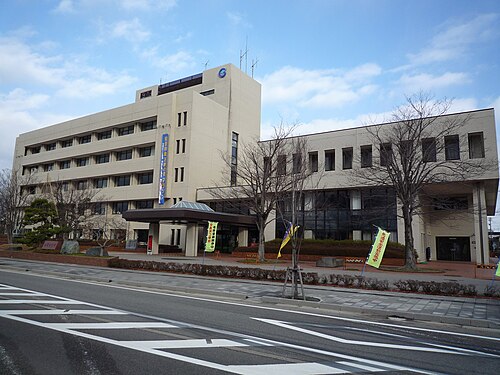
Nanao is a city located in Ishikawa Prefecture on the Noto Peninsula in Japan. Established in 1954, it has a population of approximately 55,000 residents and spans an area of about 364 square kilometers. Nanao is known for its rich cultural heritage, scenic coastal landscapes, and historical significance. The city is famous for the Nanao Bay, which offers stunning views and recreational activities such as fishing and sailing. The surrounding region is characterized by its lush mountains and natural hot springs, attracting visitors seeking relaxation and outdoor experiences.
One of the prominent features of Nanao is its historical importance during the Edo period, serving as a trade center and a post town along the sea route. The city is home to several historical sites, including the Nanao Castle ruins and traditional buildings that reflect its past. Cultural festivals are an integral part of life in Nanao, with events such as the Nanao Tanabata Festival drawing crowds with colorful decorations and performances. The Noto Peninsula is also renowned for its local cuisine, particularly seafood, which plays a significant role in the city’s culinary identity. Nanao's location allows it to benefit from fresh catches from the Sea of Japan, making it a hub for seafood lovers.
In addition to its cultural and historical attractions, Nanao is increasingly recognized for its artistic contributions, particularly in pottery and crafts. The city hosts several galleries and studios where local artisans create and showcase their work. The presence of educational institutions in the city further enhances its cultural vibrancy and supports community engagement in the arts. Overall, Nanao is a blend of natural beauty, rich history, and vibrant culture, making it a unique destination for tourists and an appealing place to live for its residents.
Facts about Nanao
- Nanao is famous for its historical district, Nanao Onsen, which has been a popular hot spring town since the Edo period.
- The city is known for the Nanao Castle ruins, which offer panoramic views and insights into local feudal history.
- Nanao hosts the Nanao Morning Market, one of the oldest and most vibrant markets in Japan, showcasing fresh local seafood, produce, and crafts.
- The city is home to the Noto Peninsula, recognized as a UNESCO Global Geopark, famous for its unique geological features and natural beauty.
- Nanao is renowned for its traditional Nanao lacquerware, known as 'Nanao-nuri,' which features intricate designs and rich colors.
- The city has a distinctive annual event called the Nanao Shishiodori Festival, which features lion dances and is celebrated with colorful floats.
- Nanao is the site of the 17th-century Noto Kogei Cultural Center, dedicated to the preservation and promotion of traditional crafts from the region.
- The nearby Notojima Aquarium features various marine life from the Noto Peninsula and has gained popularity for its unique dolphin shows.
- Nanao is part of the scenic Noto Coast, known for its rugged cliffs, beautiful beaches, and stunning sunsets over the Sea of Japan.
- The city is closely associated with the arts, hosting the Noto Peninsula Art Festival, which showcases installations and performances from local artists.