Nanded, India
- 550,564 people
- 10 places to visit
- 19.1485, 77.3191
Places to Visit (10)
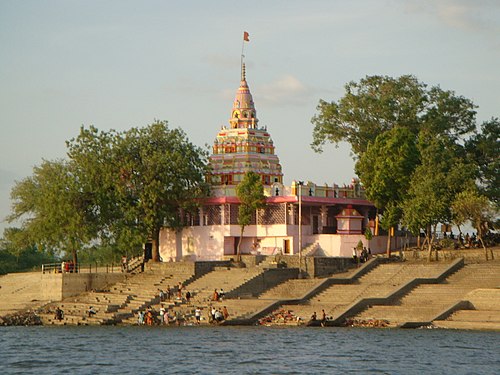
Nanded is a city located in the Maharashtra state of India, known for its rich cultural heritage and historical significance. Situated on the banks of the Godavari River, Nanded is the second-largest city in the Marathwada region and serves as a major pilgrimage site for Sikhs due to its association with Guru Gobind Singh, the tenth Sikh Guru. The city is home to the Takht Sachkhand Shri Hazur Abchalnagar Sahib, one of the five Takhts (thrones) in Sikhism, which attracts millions of devotees annually. Nanded's roots can be traced back to ancient times, and it has a diverse history, marked by the influence of various dynasties, including the Chalukyas, Mughals, and the Nizams of Hyderabad.
Nanded has developed into an important commercial and educational hub in the region. The economy of the city is primarily driven by agriculture, small-scale industries, and trade. The fertile soil around Nanded supports the cultivation of various crops, including cotton, sugarcane, and pulses. Additionally, the city has made strides in developing its infrastructure and educational institutions, making it a center for higher learning in the Marathwada region. Institutions such as the Shri Guru Gobind Singhji Institute of Engineering and Technology contribute to the city's growing reputation as an educational destination. Nanded also hosts various cultural festivals, reflecting its rich traditions and communal harmony, drawing visitors from across the nation and beyond.
Transport connectivity in Nanded is well established, with road, rail, and air links facilitating easy access to and from other major cities in Maharashtra and neighboring states. The Nanded Airport serves as a gateway, improving travel for both pilgrims and tourists. The city's blend of historical significance, cultural diversity, and modern development makes it a unique place that represents the confluence of past and present in India. The combination of religious significance and economic opportunities continues to shape Nanded as an essential locale in Maharashtra's socio-cultural landscape.
Facts about Nanded
- Nanded is known for the Hazur Sahib Gurudwara, one of the five Takhts (seats of authority) in Sikhism, which is dedicated to Guru Gobind Singh, the tenth Sikh Guru.
- The city was a significant site during the last years of the Mughal Empire, serving as the capital of the Nizam of Hyderabad.
- Nanded is home to the historic Nanded Fort, which dates back to the 17th century and offers panoramic views of the surrounding area.
- The city is famous for its annual Gudi Padwa festival celebrations, which mark the New Year for the Marathi community and attract visitors from across the region.
- Nanded has a rich cultural heritage, with influences from various dynasties including the Chalukyas, Mughals, and the Marathas, reflected in its architecture and traditions.
- The city is located on the banks of the Godavari River, making it an important pilgrimage site for both Hindus and Sikhs.
- Nanded was the birthplace of the famous Marathi poet and scholar, Sant Tukaram, adding to its historical and cultural significance.
- The locality is recognized for its rich agricultural practices, particularly in cotton, turmeric, and sugarcane farming.
- Nanded's economy is supported by a mix of agriculture, tourism, and the manufacturing sector, distinguishing it from many other urban centers in India.
- The city has seen various initiatives to promote spiritual tourism, making it a unique destination for pilgrims and tourists alike.