Nantes, France
- 318,808 people
- 19 places to visit
- 47.2184, -1.5536
Places to Visit (19)
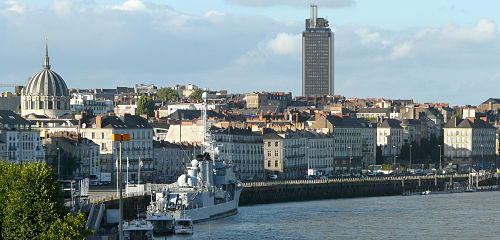
Nantes, located in the Loire-Atlantique department in western France, is a vibrant city known for its rich history, cultural diversity, and economic innovation. Situated along the banks of the Loire River, Nantes has been an important port city since the Middle Ages, serving as a center for trade and shipping. In the 18th century, it was the largest port for the Atlantic slave trade in France, a historical context that continues to shape its cultural narrative. Today, Nantes is recognized for its efforts to address this past, including the establishment of memorials and museums focused on the slave trade.
Modern Nantes is celebrated for its dynamic cultural scene, which includes festivals, theaters, and art galleries, as well as its commitment to sustainability and innovation. The city is home to renowned institutions such as the Machines of the Isle of Nantes, a unique artistic project that showcases mechanical creations inspired by the literary works of Jules Verne, who was born nearby. Nantes is also famous for its picturesque architecture, including the stunning Château des Ducs de Bretagne and the Gothic-style Cathédrale Saint-Pierre-et-Saint-Paul. The city's extensive green spaces, including the Parc du Grand Blottereau and the Île de Versailles, contribute to its reputation as one of the greenest cities in France.
Economically, Nantes has evolved into a hub for technology, aerospace, and education, hosting numerous universities and research centers that attract both national and international students. The city maintains a youthful atmosphere, bolstered by a vibrant student population and a growing entrepreneurial ecosystem. With a strong emphasis on sustainable urban development, Nantes has been recognized several times as a model for smart city initiatives and environmental policies. As a blend of historical significance, cultural richness, and modern innovation, Nantes continues to captivate residents and visitors alike, solidifying its status as a key player in France's urban landscape.
Facts about Nantes
- Nantes is known as the 'capital of the Dukes of Brittany' and has a rich history tied to the Duchy of Brittany.
- The city is home to the unique mechanical installations of Les Machines de l'île, featuring giant moving sculptures like the Grand Elephant.
- Nantes was the birthplace of the famous writer Jules Verne, whose works often inspired the creative atmosphere of the city.
- The Château des Ducs de Bretagne, a stunning medieval castle, serves as both a historical monument and a museum dedicated to Nantes' history.
- The city has a vibrant cultural scene, hosting the annual Le Voyage à Nantes, a festival that combines art, heritage, and urban exploration.
- Nantes is the first city in France to establish a community of 'green urbanism,' focusing on sustainable city development and eco-friendly transit options.
- The Île de Nantes is a unique district known for its innovative urban development, blending contemporary architecture with historical elements.
- The city is surrounded by the Loire River and has various waterfront activities and attractions, setting it apart from many other inland cities.
- Nantes has a rich maritime history and was one of the major ports involved in the Atlantic slave trade during the 18th century.
- The city is recognized for its diverse culinary scene, particularly known for its Muscadet wine, produced from Melon de Bourgogne grapes grown in the region.