Nanto, Japan
- 47,976 people
- 5 places to visit
- 36.5122, 136.9006
Places to Visit (5)
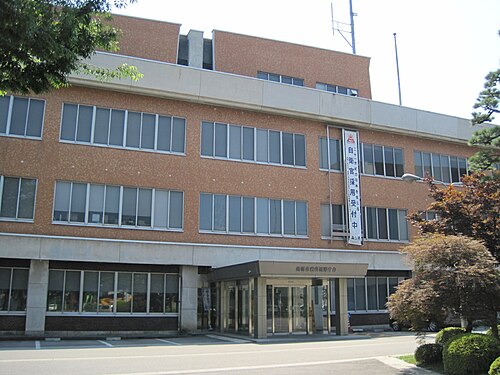
Nanto is a city located in Toyama Prefecture, Japan, renowned for its rich cultural heritage and stunning natural landscapes. Established in 2004 through the merger of several smaller towns and villages, Nanto boasts a population of approximately 30,000 residents. Nestled in the mountainous region of the Hida Mountains, the city is characterized by its scenic beauty, with lush forests, rice paddies, and rivers weaving through the countryside. The region experiences a humid continental climate, which contributes to its vibrant seasonal changes, including heavy snowfall in winter and lush greenery in summer.
One of Nanto's most significant cultural landmarks is the Gokayama region, recognized as a UNESCO World Heritage Site for its traditional thatched-roof farmhouses known as gassho-zukuri. These structures, designed for surviving harsh winter conditions, are notable for their steep roofs that resemble hands in prayer, a style that has been preserved for centuries. The city is also home to several historic temples and shrines, such as the Chokeiji Temple, which reflects the spiritual heritage of the area. Festivals play a vital role in Nanto’s cultural life, with events such as the Gokayama Washi Festival celebrating traditional paper-making techniques that have flourished in the region for generations.
In addition to its cultural attractions, Nanto serves as a gateway for outdoor activities, including hiking, skiing, and hot springs. The surrounding mountainous terrain offers numerous trails and breathtaking views, appealing to nature enthusiasts and adventure seekers alike. Local cuisine, which emphasizes seasonal ingredients and traditional methods, features dishes using high-quality rice and fresh produce from the region. Furthermore, the city promotes sustainable tourism to preserve its environment and cultural heritage, making it an attractive destination for visitors looking to experience a mix of history, culture, and nature. With its unique blend of tradition and natural beauty, Nanto continues to captivate those who visit while maintaining its importance in the wider context of Japan's cultural landscape.
Facts about Nanto
- Nanto is known for its traditional gassho-zukuri farmhouses, which are unique architectural structures designed to withstand heavy snowfall, featured in the UNESCO World Heritage site of Shirakawa-go.
- The city of Nanto is located in the Toyama Prefecture and is surrounded by the picturesque Northern Japan Alps, making it a prime location for outdoor activities and nature tourism.
- Nanto is home to the famous Shokawa River, known for its crystal-clear waters and stunning landscapes, which provides a habitat for various wildlife species and recreational opportunities.
- The city hosts the Nanto City Saito Gyokuzan Museum of Art, which showcases a rich collection of Japanese art as well as contributions from local artists, setting it apart from many other towns.
- Nanto has historical significance as it was once a thriving center for silk production during the Edo period, contributing to the region's economic development and cultural heritage.
- The region is famous for its local crafts, notably the production of traditional Kurobe pottery, recognized for its distinctive glaze and craftsmanship.
- Every autumn, Nanto hosts the Nanto Fire Festival, a vibrant celebration featuring torches, traditional dance, and cultural performances, attracting visitors from all over Japan.
- Nanto's landscapes are dotted with scenic terraced rice paddies, which showcase the agricultural lifestyle of the area and provide beautiful photo opportunities during the planting and harvesting seasons.
- The local cuisine in Nanto is notable for its regional specialties, including 'Nanto-style soba' made from buckwheat grown in the nearby mountains, differentiating it from other soba dishes found in Japan.
- Nanto is the birthplace of the famous Japanese folk song 'Soran Bushi,' which celebrates the region's fishing heritage and is performed at various cultural events throughout the city.