Nara-shi, Japan
- 367,353 people
- 17 places to visit
- 34.6851, 135.8048
Places to Visit (17)
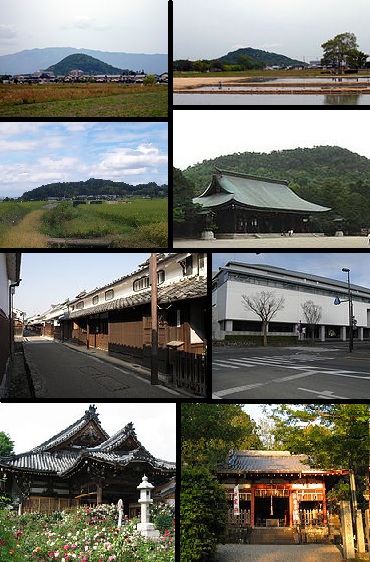
Nara-shi, located in Nara Prefecture, Japan, is a city renowned for its rich historical significance and cultural heritage. Established as the capital of Japan in the 8th century during the Nara period, it played a crucial role in the early political and cultural developments of the nation. Nara-shi features a unique blend of ancient and modern influences, showcasing stunning architecture, traditional temples, and serene parks. Among the most famous landmarks is Todai-ji, a UNESCO World Heritage Site that houses the Great Buddha, one of the largest bronze statues in the world. Another notable site is Kasuga-taisha, a Shinto shrine known for its beautiful stone and bronze lanterns, which has been a place of worship for over a millennium.
Nara-shi is not just a city of historical significance but also a vibrant community that fosters artistic and traditional practices. The city embraces the nearby Nara Park, where visitors can interact with freely roaming deer, considered sacred in Shinto belief. The local economy benefits from tourism, with many visitors drawn to its picturesque landscapes and historic sites. Traditional crafts such as calligraphy, pottery, and textile arts still thrive, contributing to the city’s cultural fabric. Seasonal events and festivals, including the Nara Tokae and the Naramachi Summer Festival, showcase the region's traditions and attract both domestic and international tourists. Overall, Nara-shi represents a captivating fusion of Japan's past and present, emphasizing the importance of preserving cultural heritage while promoting community and tourism.
Facts about Nara-shi
- Nara-shi is home to the famous Todai-ji Temple, which houses a giant bronze statue of Buddha, known as the Nara Great Buddha, one of Japan's most iconic symbols.
- The city was the first permanent capital of Japan, established in 710 AD during the Nara period, marking a pivotal point in Japanese history.
- Nara-shi is surrounded by a park, Nara Park, where free-roaming deer are considered messengers of the gods and are protected as a national treasure.
- The city features the historic Naramachi district, which is known for its well-preserved traditional wooden townhouses and merchant establishments dating back to the Edo period.
- Nara-shi is recognized for its role in the development of Japanese culture, as it was a center for arts, literature, and religion during the Heian period.
- The city is famous for its specific type of traditional craft called 'Nara-sumi' (Nara ink), which has been used by artists for centuries.
- Nara-shi hosts the annual Nara Tokae Festival, which features thousands of candles illuminating the city's historic sites, creating a magical atmosphere.
- The city boasts significant archaeological sites, including the ruins of the ancient capital Heijo-kyo, which is a UNESCO World Heritage Site.
- Nara-shi has a rich culinary heritage, particularly known for its sake, which is made from locally sourced rice and pure mountain water.
- The preservation of traditional Japanese crafts, such as intricate woodblock printing and textile arts, is prominent in Nara-shi, making it a hub for cultural workshops.