Naranjos, Mexico
- 20,073 people
- 12 places to visit
- 21.3414, -97.6819
Places to Visit (12)
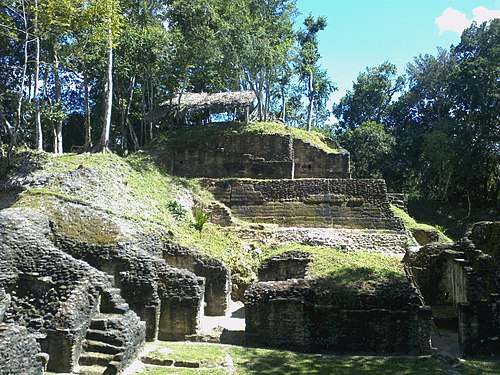
Naranjos is a town located in the state of Veracruz, Mexico, notable for its rich history and vibrant culture. Founded in the late 19th century, Naranjos was initially established as a small agricultural community, primarily focusing on the cultivation of oranges, which influenced its name—"Naranjos" translates to "orange trees" in English. Over the years, the town has evolved into a small urban locality and serves as an important commercial and transport hub in the region. With a population of around 20,000 residents, Naranjos is characterized by its close-knit community and a variety of local businesses that contribute to its economy.
The town has a diverse cultural heritage, reflected in its architecture, festivals, and culinary traditions. Notable for its local festivities, Naranjos celebrates various events throughout the year, including religious holidays and cultural fairs that showcase traditional music, dance, and gastronomy. The annual Carnival is particularly prominent, attracting visitors with lively parades and colorful costumes. Furthermore, the town is surrounded by lush landscapes, with nearby rivers and forests offering opportunities for outdoor recreational activities such as hiking and fishing, contributing to local tourism. With its blend of historical significance, agricultural roots, and cultural vibrancy, Naranjos stands as a unique representation of rural Mexican life in the heart of Veracruz.
Facts about Naranjos
- Naranjos is known for its significant contributions to the sugarcane industry in Veracruz, making it a vital agricultural center in Mexico.
- The city is home to the historic San Juan Bautista Church, which dates back to the 18th century and features unique colonial architecture.
- Naranjos hosts the annual Feria del Azúcar (Sugar Fair), celebrating its sugarcane heritage with cultural events, music, and gastronomy.
- The unusual name 'Naranjos' translates to 'Oranges' in Spanish, reflecting the agricultural abundance of citrus fruits in the region.
- The city was officially founded on May 18, 1881, which is commemorated with local festivals and cultural activities each year.
- Naranjos is strategically located at the confluence of several rivers, making it a historically important trade and transportation hub.
- The nearby 'Pico de Orizaba', Mexico’s highest mountain, is visible from Naranjos, making for stunning natural scenery and attracting outdoor enthusiasts.
- The local economy is also bolstered by fishing due to Naranjos' proximity to the Gulf of Mexico, providing a diverse range of aquatic resources.
- Naranjos has a distinctive blend of indigenous heritage and Spanish colonial influence, reflected in its festivals, architecture, and local cuisine.
- The city serves as a gateway to exploring the biodiversity of the Cantona ecological reserve nearby, renowned for its unique flora and fauna.