Nārāyanganj, Bangladesh
- 223,622 people
- 5 places to visit
- 23.6429, 90.4883
Places to Visit (5)
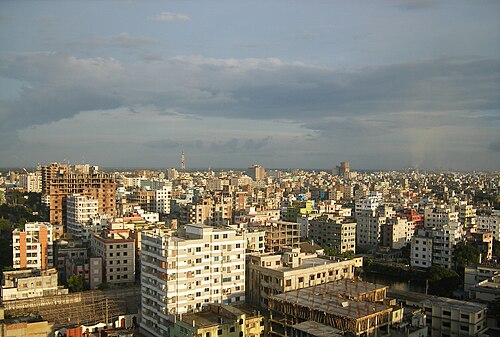
Nārāyanganj is a prominent city located in central Bangladesh, situated on the banks of the Shitalakshya River. It serves as the administrative center of Nārāyanganj District in the Dhaka Division. Known as a significant industrial hub, the city plays a crucial role in the economy of Bangladesh, particularly in the textiles and garment sectors. Its proximity to the capital city, Dhaka, approximately 20 kilometers away, facilitates trade and economic activities, making Nārāyanganj an essential part of the country's manufacturing landscape. The city has developed a reputation for producing jute, which was historically one of its main industries, alongside a burgeoning array of other products such as leather goods, shipbuilding, and small-scale manufacturing.
Culturally, Nārāyanganj boasts a rich heritage with influences from various ethnic groups and historical events. The history of the city can be traced back to the Mughal era, and it has been a significant trading center since then. The population is diverse, predominantly Bengali, with Hindu and Muslim communities coexisting. Educational institutions, commerce, and various civic services contribute to the urban fabric of Nārāyanganj, which has witnessed significant urbanization and development over the years. Notable landmarks include historical sites, mosques, and traditional markets, reflecting the blend of past and present. However, like many rapidly growing cities, Nārāyanganj faces challenges such as infrastructure strain and environmental concerns, particularly from industrial pollution. The local government pays attention to these issues, seeking sustainable development while preserving the city's historical and cultural significance. As it continues to grow, Nārāyanganj remains a pivotal city within Bangladesh, balancing economic progress with social and environmental responsibility.
Facts about Nārāyanganj
- Nārāyanganj is known as the 'Dreadnought of the East' due to its historical significance in the jute industry and its role as a major trading hub.
- The city is situated on the banks of the Shitalakshya River, which has been central to its development and commerce since the colonial period.
- Nārāyanganj served as the center of British jute trade in the late 19th and early 20th centuries, making it a vital economic hub during that era.
- It is home to one of the first modern factories in Bangladesh, established by the British in the late 1800s, highlighting its industrial heritage.
- The city features the historic Nārāyanganj Clock Tower, which is an iconic symbol of the city and reflects its colonial architecture.
- Nārāyanganj is known for its vibrant boat culture, with traditional boat races being a popular local event, especially during festivals.
- It hosts the famous Siddhirganj Power Station, one of the largest power plants in Bangladesh, which significantly contributes to the nation's electricity supply.
- The annual Boat Race Festival in Nārāyanganj attracts participants from all over the country, showcasing the city's rich cultural traditions.
- Nārāyanganj has a diverse population with a mix of various ethnic communities, which contributes to its rich cultural tapestry.
- The city is strategically located near Dhaka, making it an important logistical and transport hub, with numerous highways and waterways converging here.