Nardò, Italy
- 29,668 people
- 9 places to visit
- 40.1798, 18.0333
Places to Visit (9)
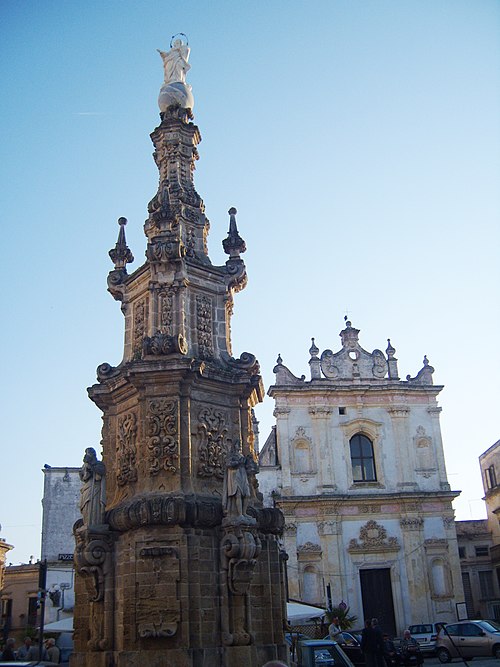
Nardò is a historic city located in the Salento region of Apulia, southern Italy. Situated approximately 30 kilometers southwest of Lecce and a few kilometers inland from the Ionian Sea, Nardò boasts a rich cultural heritage and a vibrant architectural landscape. The city has its origins in ancient times, with evidence of settlement dating back to the Messapian civilization, which flourished in the area from the 7th century BC. Over the centuries, Nardò has been influenced by various cultures, including the Romans, Byzantines, and the Aragonese, each leaving their mark on the city’s historical development.
The city center is characterized by narrow winding streets and majestic baroque architecture, notably the Church of Santa Maria della Purità, which features an ornate façade and elaborate interior decorations. The historic nucleus of Nardò is also home to the stunning Palazzo Personè, a 17th-century palace that highlights the city’s aristocratic past. Beyond its architectural wonders, Nardò is known for its natural beauty, particularly the coastal area along the Ionian Sea, which includes the beautiful beaches of Torre Lapillo and Porto Cesareo, both of which are popular tourist destinations. The surrounding countryside features ancient olive groves and traditional masserie (fortified farmhouses), which add to the town’s rural charm.
In modern times, Nardò has embraced its role as a center for agriculture, particularly in the cultivation of olives and grapes, as well as tourism, which plays a crucial role in its economy. The city hosts various cultural events throughout the year, including religious festivals and food fairs that celebrate local traditions and cuisine. With its blend of historical significance, architectural beauty, and natural wonders, Nardò continues to attract visitors seeking to experience the authentic essence of southern Italy.
Facts about Nardò
- Nardò is renowned for its Baroque architecture, particularly evident in the stunning Nardò Cathedral, which features a unique blend of local and Baroque styles.
- The city is part of the Salento region, renowned for its traditional Apulian culture and beautiful coastline, making it a popular destination for beach lovers.
- Nardò is home to the ancient Romanesque church of Santa Maria della Purità, known for its beautiful frescoes and intricate stone carvings, showcasing the artistic heritage of the region.
- The surrounding Natural Regional Park of Porto Selvaggio offers breathtaking landscapes, diverse flora and fauna, and ancient ruins, distinguishing Nardò’s natural beauty.
- Nardò is famous for its production of local delicacies, including the 'Pasta alla Nduja,' a spicy and flavorful dish typical of the area, highlighting its unique culinary traditions.
- In recent years, Nardò has gained international attention for hosting the annual 'Nardò Festival,' which celebrates local music, food, and culture, attracting visitors from around the world.
- The city's historic center features a blend of Greek, Roman, and Norman influences, making it a point of interest for those exploring the layered history of Southern Italy.
- Nardò is known for its traditional crafts, including handwoven baskets and pottery, which have been passed down through generations, reflecting the town's artisanal roots.
- The Nardò Circuit, a motorsport facility opened in 2015, is one of the largest in Italy and is distinct for its challenging track layout and advanced facilities for professional racing.
- Nardò’s location near the Ionian Sea offers stunning coastal views and opportunities for water sports, setting it apart from many inland Italian towns.