Narita, Japan
- 100,641 people
- 15 places to visit
- 35.7767, 140.3188
Places to Visit (15)
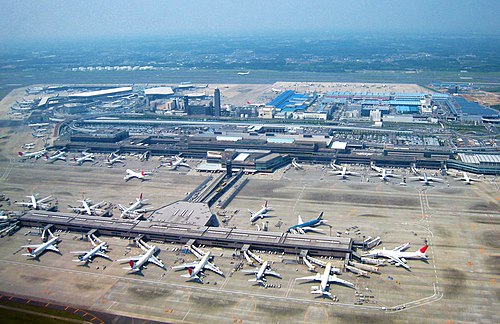
Narita is a city located in Chiba Prefecture, Japan, approximately 60 kilometers east of central Tokyo. It is best known as the home of Narita International Airport, one of Japan's primary international gateways. The airport facilitates travel not only to and from Tokyo but also serves as a stopover for many travelers heading to other parts of Asia and beyond. While Narita is often seen as merely a transit hub, the city is rich in cultural heritage and scenic beauty. The area around Narita is characterized by its rural landscapes, rice paddies, and small villages, which provide a glimpse into traditional Japanese life.
One of the city's main attractions is the Naritasan Shinshoji Temple, a historic Buddhist temple established in the 10th century. The temple complex features stunning architecture, serene gardens, and religious artifacts, drawing both tourists and pilgrims. Visitors can enjoy the tranquil atmosphere and the beautiful seasonal changes, particularly during the cherry blossom and autumn foliage seasons. The temple is also known for its annual events, including the Naritasan Great Fireworks Festival and various religious ceremonies, which further enrich the cultural tapestry of the city. Additionally, the surrounding area offers shops, restaurants, and traditional craft boutiques, making it a vibrant destination for those looking to explore beyond the airport.
Narita's transportation infrastructure includes easy access via the Narita Sky Access and the Keisei Electric Railway, facilitating convenient connections to Tokyo and other major cities. The city has developed a reputation for its charming blend of modern amenities and historical charm, appealing to both tourists and local residents. With a population of approximately 130,000 people, Narita continues to thrive as a community that balances its role as an international gateway while preserving its cultural significance and natural beauty. Overall, Narita serves as an exemplary representation of how modernity can coexist with tradition in Japan, making it a unique location worth exploring.
Facts about Narita
- Narita is home to Narita International Airport, one of the primary international gateways to Japan, making it a vital hub for international travel.
- The city is famous for the historic Naritasan Shinshoji Temple, a Buddhist temple founded in the year 1700, which attracts millions of visitors each year.
- Narita's history as a temple town has preserved traditional architecture and cultural practices, which are distinct from many modern urban areas in Japan.
- Narita City has a strong connection to the cherry blossom season, featuring Naritasan Park, which is renowned for its beautiful cherry blossoms that bloom in spring.
- Each year, Narita hosts the Narita Gion Matsuri, one of the most significant festivals in the Kanto region, showcasing traditional Japanese culture through parades and performances.
- The city offers unique culinary experiences, including Narita's famous unagi (grilled eel), which has been a local delicacy for centuries.
- Narita has a strategic agricultural background, known for its rich farmlands and production of products like rice and vegetables, which are integral to the region's identity.
- Unlike many other areas in Japan, Narita maintains a balance between urban development and nature, with several parks and open spaces that offer a tranquil escape.
- Narita is known for its Easy-To-Access sightseeing options, with a range of historical and cultural sites that can be explored in a short time, appealing to transit travelers.
- The city is also recognized for its unique blend of traditional and modern living, continuously evolving while honoring its historical roots.