Nasiriyah, Iraq
- 558,400 people
- 2 places to visit
- 31.051, 46.2569
Places to Visit (2)
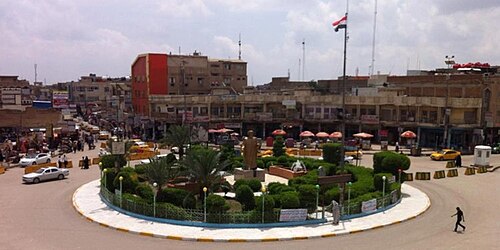
Nasiriyah is a city located in the Dhi Qar Governorate of southern Iraq, situated along the banks of the Euphrates River. Founded in the early 19th century, it has grown into an important urban center for the region. The city is known for its rich history, particularly its proximity to ancient sites such as Ur, which is believed to be the birthplace of the biblical patriarch Abraham. This historical significance attracts both researchers and tourists interested in the region's cultural heritage. The area is characterized by a hot desert climate, with temperatures often exceeding 40 degrees Celsius (104 degrees Fahrenheit) in the summer months.
Economically, Nasiriyah is heavily reliant on agriculture, benefiting from the fertile lands surrounding the Euphrates River. The city, like many areas in Iraq, has also faced challenges due to long-standing conflict, including the Iran-Iraq War and the more recent instability following the U.S.-led invasion in 2003. These conflicts have impacted infrastructure and public services, but efforts have been made to restore and develop the city. Nasiriyah is also recognized for its cultural vibrancy and local traditions, which include traditional music, crafts, and cuisine, reflecting the diverse influences of various ethnic groups residing in the region. In recent years, the city has witnessed protests demanding political reform and improved living conditions, reflecting broader national issues in Iraq.
Transportation links in Nasiriyah are crucial for both trade and travel, with connections to major highways facilitating access to other cities in Iraq. The Nasiriyah Airport supports regional travel, while the city's location near significant archaeological sites makes it a strategic point for archaeological tourism. Despite the challenges it has faced, Nasiriyah embodies a complex blend of historical importance and modern struggles, making it a unique representative of contemporary Iraqi society. The city continues to evolve, balancing its ancient legacy with the pressures of modern development in a dynamically changing region.
Facts about Nasiriyah
- Nasiriyah is known as the capital of the Dhi Qar Governorate in southern Iraq and is famous for its rich archaeological heritage.
- The city is located near the ancient site of Ur, which is believed to be the birthplace of the biblical figure Abraham and features ziggurat ruins dating back to 2100 BC.
- Nasiriyah played a significant role during the 2003 Iraq War, serving as a crucial focal point for military operations and a base for coalition forces.
- The city is home to the Al-Nasiriyah Airport, which has been pivotal for both civilian and military aviation since its establishment.
- Nasiriyah hosts the annual Ziggurat of Ur Festival, celebrating the city's archaeological significance with cultural activities and traditional performances.
- It is known for the nearby Marshes of Southern Mesopotamia, a UNESCO World Heritage Site, which is home to unique ecosystems and the Ma'dan (Marsh Arabs) culture.
- Nasiriyah has a vibrant bazaar scene, showcasing local crafts, traditional textiles, and Kurdish music, highlighting the cultural diversity of the region.
- The city is also notable for the Nasiriyah Museum, which exhibits artifacts from Mesopotamian history and the broader cultural heritage of southern Iraq.
- Nasiriyah has been a center of various social and political movements, especially during the protests in Iraq in 2019, which called for reforms and better governance.
- The city is famous for its rich dates and agricultural products, benefiting from the fertile lands of the Mesopotamian plain.