Natal, Brazil
- 896,708 people
- 13 places to visit
- -5.7842, -35.2
Places to Visit (13)
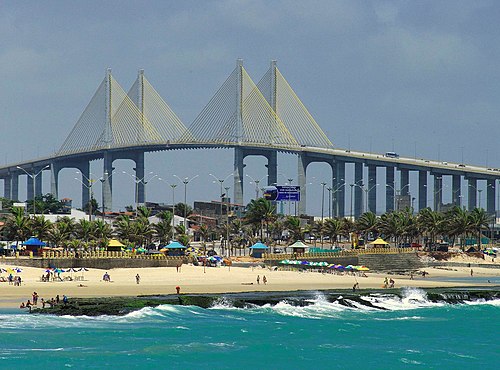
Natal is the capital of the state of Rio Grande do Norte, located in the northeastern region of Brazil. Situated on the Atlantic coast, it is renowned for its stunning beaches, warm climate, and rich cultural history. The city was founded on December 25, 1599, by the Portuguese and was named after the date of its establishment, "Natal" meaning Christmas in Portuguese. Natal serves as an important economic and tourist center, attracting visitors with its beautiful natural landscape, including the famous Ponta Negra beach, the giant dunes of Genipabu, and the clear blue waters of the coast.
The city boasts a diverse cultural scene influenced by its colonization and indigenous heritage. Landmarks such as the Forte dos Reis Magos, built in the 16th century, reflect its historical significance and military past. Natal hosts a variety of festivals, including the Carnatal, one of Brazil's largest off-season carnivals, which showcases vibrant parades, music, and local cuisine. The local gastronomy is characterized by seafood and traditional dishes such as carne de sol and tapioca. Additionally, the city's strategic location makes it a popular launching point for international travelers headed to nearby destinations like the Lençóis Maranhenses National Park and the stunning beaches of Pipa.
With a population of over 800,000 residents, Natal is known for its friendly atmosphere and vibrant lifestyle. The city is often referred to as the "City of Sunshine," with an average annual temperature of around 28 degrees Celsius (82 degrees Fahrenheit) and over 300 sunny days per year. Economically, Natal is supported by tourism, commerce, and public services, with a growing emphasis on technology and innovation. The recent development of infrastructure, including the expansion of the Augusto Severo International Airport, has further enhanced accessibility and strengthened its position as a key destination in Brazil. Overall, Natal presents a unique blend of natural beauty, rich culture, and historical significance, making it an attractive place for both residents and visitors alike.
Facts about Natal
- Natal is known as the 'City of the Sun' due to its sunny weather year-round, boasting an average of 300 sunny days annually.
- The city is home to Ponta Negra Beach, one of the most famous beaches in Brazil, which features the iconic Morro do Careca dune.
- Natal has a rich military history, evidenced by the Fort of the Three Kings (Forte dos Reis Magos), built in the 16th century to protect the coastline.
- It is the only capital city in Brazil that is located on the easternmost point of the country, making it the first place to receive sunlight each day.
- The region is famous for its production of cashew nuts and is home to the largest cashew tree in the world, located in Pirangi, just south of Natal.
- Natal hosts the largest carnival in the Northeast region of Brazil, known as Carnatal, attracting large crowds and featuring famous artists.
- The city has a unique combination of urban life and natural beauty, with unique attractions like Genipabu Dunes, where visitors can enjoy dune buggies and camel rides.
- Natal's economy benefits significantly from tourism, as it is a gateway to the stunning natural beauty of the Rio Grande do Norte state's coastline.
- The city played a strategic role during World War II, serving as a base for American troops, which has left an influence on its architecture and culture.
- Natal is also recognized for its gastronomy, known for typical dishes like 'carne de sol' (sun-dried beef) and 'gordoline' (local cheese), representing the culture of the Northeastern region.