Naucalpan de Juárez, Mexico
- 792,211 people
- 14 places to visit
- 19.4737, -99.2337
Places to Visit (14)
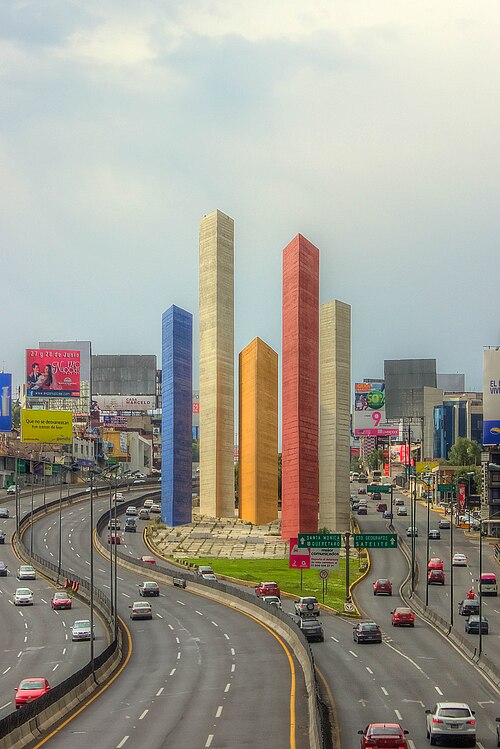
Naucalpan de Juárez is a vibrant municipality located in the State of Mexico, adjacent to the northwestern region of Mexico City. It covers an area of approximately 121 square kilometers and is part of the Mexican Federal District's metropolitan area. Established as a significant urban center, Naucalpan has a diverse population exceeding 800,000, making it one of the largest municipalities in the state. Named after the Nahuatl word "Naucalli," meaning “place of the water,” the region has roots dating back to the pre-Hispanic era, with rich cultural heritage and archaeological sites that reflect its historical significance.
Naucalpan has developed substantially over the years, transitioning from a primarily rural area to a bustling urban locality marked by its commercial, industrial, and residential sectors. The municipality is known for its significant landmarks, including the iconic Arcos del Metro, which serves as a key intersection of important transport routes and a symbol of urban development. The area also hosts various educational institutions, parks, and cultural venues, such as the Naucalpan Cultural Center, which aims to promote the arts and culture. The local economy is diverse, with industries ranging from manufacturing to commerce, bolstered by its proximity to Mexico City.
Despite its rapid urbanization, Naucalpan faces challenges typical of large cities, including urban sprawl, traffic congestion, and social inequality. Nevertheless, the local government has been active in implementing urban planning and public safety measures to improve the quality of life for residents. As an integral part of the Mexico City metropolitan area, Naucalpan de Juárez continues to evolve, balancing its historical roots with modern urban demands, contributing to its identity as a dynamic municipality in Mexico.
Facts about Naucalpan de Juárez
- Naucalpan de Juárez is home to the famous Pyramid of Tenayuca, a pre-Hispanic archaeological site that dates back to the early Postclassic period, showcasing the region's rich indigenous history.
- The city is part of the State of Mexico and is one of the most populated municipalities in the country, often considered a vital suburban area of Mexico City.
- Naucalpan is known for the Parque de la Estrella, which is home to several amusement rides and is an important recreational space for families in the metropolitan area.
- In the 1960s, Naucalpan was at the forefront of industrial development, becoming a hub for various industries, including electronics and textiles, which set it apart from other municipalities.
- The municipality hosts the iconic Tlalnepantla-Naucalpan highway, known for being a major transportation route that distinguishes the area with significant connectivity to the capital.
- Naucalpan de Juárez is notable for its vibrant cultural scene, including the annual Festival de las Flores, which celebrates local flora and fauna and attracts visitors from across the region.
- The city has a distinctive blend of modern and traditional architecture, featuring landmarks such as the Naucalli Cultural Center and the historic colonial-era churches.
- Naucalpan is recognized for its commitment to environmental sustainability, with initiatives aimed at reforestation and the creation of green spaces, distinguishing it from many urban areas in Mexico.
- The area is also known for its culinary offerings, particularly traditional Mexican dishes such as tacos de carnitas and tamales, which celebrate local flavors.
- Naucalpan has a unique historical connection to the 1968 Olympic Games, serving as a training site for some of the athletes who would go on to represent Mexico.