Nawabshah, Pakistan
- 229,504 people
- 7 places to visit
- 26.2447, 68.3935
Places to Visit (7)
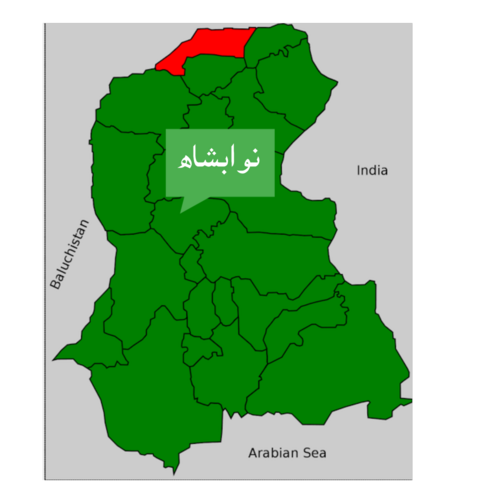
Nawabshah is a city located in the Shaheed Benazirabad District of Sindh, Pakistan. As an important urban center, it serves as a vital hub for agriculture, trade, and education in the region. The city is strategically positioned on the main railway line linking the southern and northern parts of the country, which further enhances its significance as a commercial center. Nawabshah was established in the 19th century and named after the Nawab of Bahawalpur, who played a crucial role in its development. The city has experienced population growth and urbanization over the years, boasting a diverse demographic primarily comprising Sindhi, Urdu, and Punjabi speakers.
The economy of Nawabshah is mainly driven by agriculture, with the fertile lands surrounding the city yielding crops such as cotton, wheat, and sugarcane. The city also hosts various markets and trade facilities, contributing to the local economy. Additionally, Nawabshah is known for its educational institutions, including schools, colleges, and vocational training centers, which cater to the educational needs of the surrounding population. The city is characterized by a blend of modern and traditional architecture, with notable landmarks that reflect its rich history and cultural heritage. Community events and festivals, including Eid celebrations and local fairs, foster a sense of unity and cultural pride among residents, making Nawabshah an essential part of the Sindh province's identity. While it faces challenges like infrastructure development and environmental concerns, Nawabshah continues to grow as a dynamic city contributing to the overall development of Pakistan.
Facts about Nawabshah
- Nawabshah was established as a town in the late 19th century and was named after Nawab Muhammad Bahawal Khan IV, who ruled the Bahawalpur State.
- The city is known for its production of high-quality cotton and is a significant hub for the cotton industry in Pakistan.
- Nawabshah is located at a strategic intersection of major roads, making it an important center for trade and transportation in the Sindh province.
- The town hosts the renowned Liaquat University of Medical and Health Sciences, which plays a vital role in medical education and healthcare services in the region.
- Nawabshah has a unique blend of Sindhi and Siraiki cultures, making it distinctively diverse in terms of language and traditions compared to many other cities in Pakistan.
- The city is home to the historic Nawabshah Railway Station, which dates back to the colonial era and showcases British architectural styles.
- Nawabshah is known for its mango production, particularly the Sindhri variety, attracting mango lovers from across the country during the harvest season.
- The local cuisine features unique dishes that incorporate regional grains, pulses, and spices, setting it apart from other areas in Pakistan.
- Nawabshah is part of the Shaheed Benazirabad District, which is named after former Prime Minister Benazir Bhutto, contributing to its political significance.
- The city celebrates the annual 'Nawabshah Mango Festival' to promote its agricultural products, attracting tourists and agricultural enthusiasts alike.