Naz̧arābād, Iran
- 213,388 people
- 1 places to visit
- 35.9567, 50.6094
Places to Visit (1)
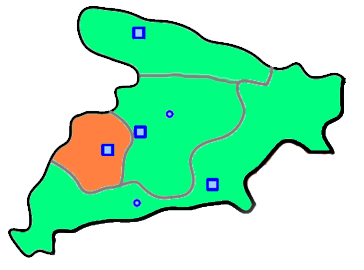
Naz̧arābād is a city located in the province of Qazvin, Iran, serving as the capital of the Naz̧arābād District within the larger framework of the Qazvin County. The city, which is often noted for its rich history and cultural heritage, is nestled in a region characterized by a diverse landscape that includes both mountainous and fertile agricultural areas. The population of Naz̧arābād is around 8,000 residents, according to the latest census, reflecting a close-knit community with strong local traditions and practices.
The economy of Naz̧arābād is primarily based on agriculture, with the surrounding fertile lands supporting various crops and livestock farming. The region benefits from a favorable climate, making it suitable for agriculture. In addition to farming, some residents engage in small-scale trade and crafts, contributing to the local economy. The city prides itself on its historical significance, with several ancient sites and traditional bazaars that offer a glimpse into its past and the lifestyle of its inhabitants.
Culturally, Naz̧arābād is a reflection of Persian heritage, showcasing a blend of ancient customs and modern influences. Local festivals and events often celebrate the traditions of the region, fostering a sense of community among its residents. The city is also well-connected to surrounding areas, facilitating trade and cultural exchange. As urbanization continues to reshape many parts of Iran, Naz̧arābād maintains its unique identity, balancing modern development while preserving its historical roots.
Facts about Naz̧arābād
- Naz̧arābād is known for its rich agricultural heritage, particularly in the cultivation of saffron, often referred to as 'red gold'.
- The city is situated near the ancient Silk Road, which contributed to its historical significance as a trading post.
- Naz̧arābād features unique traditional Persian architecture, with several historical houses and public buildings showcasing intricate tile work.
- The city is home to the celebrated Naz̧arābād Pottery, recognized for its distinctive designs and craftsmanship that reflect the local culture.
- Naz̧arābād hosts an annual festival celebrating its agricultural products, which draws visitors from across Iran and emphasizes local farming traditions.
- The city's location in the foothills of the Zagros Mountains gives it a unique climate and biodiversity, setting it apart from many other Iranian towns.
- Naz̧arābād has a vibrant local bazaar that serves as a cultural hub where traditional crafts and local foods can be found.
- The city has a long history of artisanal trades, particularly in weaving and textile production, which are significant to its local economy.
- Naz̧arābād is close to several archaeological sites, rich in history dating back to the Persian Empire, which attracts historians and tourists.
- The residents of Naz̧arābād are known for their hospitality and commitment to preserving their cultural heritage, which is reflected in local traditions and community events.