N'Djamena, Chad
- 1,359,526 people
- 7 places to visit
- 12.1191, 15.0503
Places to Visit (7)
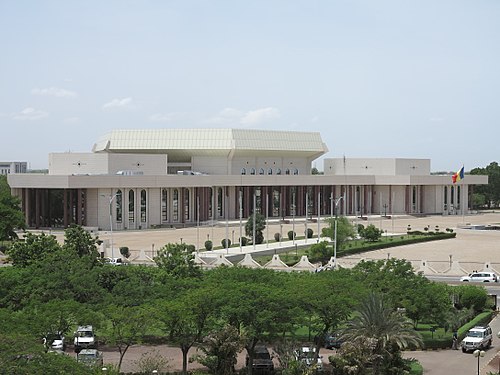
N'Djamena, the capital and largest city of Chad, is located in the southwestern part of the country along the Chari River, directly across from the city of Kousseri in Cameroon. Founded in the 1900s, N'Djamena, initially named Fort Lamy, has grown into a vital political, economic, and cultural hub of Chad. The city serves as the administrative center and hosts the majority of Chad's governmental institutions, including the presidential palace, the National Assembly, and numerous ministries. With a population exceeding 1 million inhabitants, N'Djamena is characterized by its diverse demographics, with various ethnic groups coexisting in a vibrant urban environment.
The economy of N'Djamena is primarily driven by trade, agriculture, and services, with many residents relying on informal markets for their livelihoods. The city’s local economy is supported by regional trade and cross-border exchanges due to its proximity to Cameroon. While much of Chad's economic activity revolves around the oil sector, which has significant investments in and around N'Djamena, challenges such as poverty, limited infrastructure, and political instability have hindered sustained growth. N'Djamena's climate is predominantly hot and dry, typical of the Sahel region, with a brief rainy season from June to September. Despite facing environmental issues and infrastructure challenges, N'Djamena is recognized for its resilience and is gradually developing through international aid and investment.
Culturally, N'Djamena is a melting pot of traditions and influences, reflecting the country's rich heritage. The city is home to various cultural institutions, including theaters and museums, and hosts festivals celebrating music, dance, and the arts. Notable landmarks include the Grand Mosque, which serves as a significant center for worship and community events, and the diverse markets, such as the Centrale Market, where vendors sell traditional crafts, textiles, and local produce. Although N'Djamena continues to grapple with issues such as security, economic difficulties, and health challenges, it remains an essential city in Chad, representing both the struggles and aspirations of its people.
Facts about N'Djamena
- N'Djamena is the capital city and the largest city of Chad, serving as the political, economic, and cultural center of the country.
- The city is located at the confluence of the Chari and Logone rivers, which has historically facilitated trade and transportation.
- N'Djamena was formerly known as Fort-Lamy until it was renamed in 1973, reflecting the city’s colonial past and its indigenous heritage.
- The Grande Mosque of N'Djamena, completed in 1989, is one of the largest mosques in the country and a prominent architectural landmark.
- The city is home to the National Museum of Chad, which showcases the nation’s diverse cultural heritage, including prehistoric artifacts and traditional crafts.
- N'Djamena has a vibrant marketplace known as the Central Market (Marché Central), where visitors can experience local culture and purchase traditional goods.
- It serves as a major hub for humanitarian aid in the region, hosting numerous international NGOs and organizations focused on development and relief efforts.
- N'Djamena hosts several annual festivals, including the Reggada Festival, which celebrates Chadian music and dance, showcasing the city's cultural richness.
- The city has seen significant modernization in recent years, with new infrastructure projects aimed at improving living conditions and economic opportunities.
- N'Djamena is strategically important due to its proximity to the borders of Cameroon, Nigeria, and Libya, making it a key player in regional politics and security.