Néa Ionía, Greece
- 67,134 people
- 2 places to visit
- 39.379, 22.9275
Places to Visit (2)
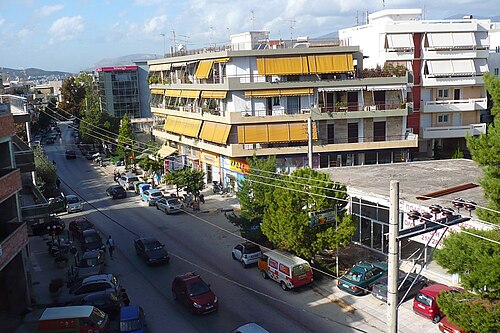
Néa Ionía is a vibrant suburb located to the northeast of Athens, Greece, and falls within the municipality of Magnesia. Established in the early 20th century, primarily in the aftermath of the Greco-Turkish War (1919-1922), it served as a settlement for Greek refugees from Asia Minor. Its name, meaning "New Ionia," pays homage to the historical region of Ionia in Asia Minor, emphasizing its population's roots. Over the years, Néa Ionía has developed into a thriving urban area, characterized by a mix of residential neighborhoods, commercial spaces, and green parks, providing a blend of urban life and community atmosphere.
Néa Ionía features several key infrastructures, such as the renowned Agios Georgios Church, which serves as a spiritual and cultural center for the residents. The suburb is well-connected to Athens, with access to public transport systems, including the Attiko Metro and bus services, allowing for convenient travel to the city center and beyond. A significant aspect of Néa Ionía is its rich cultural heritage, with several community events and festivals that celebrate its history and traditions. The local economy thrives on small businesses, shops, and restaurants, reflecting a blend of Greek and international influences, contributing to the suburb's dynamic and diverse character. The nearby sporting facilities and community centers further enhance the quality of life, making Néa Ionía an appealing place to live and work for both locals and newcomers alike.
Facts about Néa Ionía
- Néa Ionía was established in the 1920s as a settlement for Greek refugees from Asia Minor after the Greco-Turkish War.
- The city is named after the Ionian Greeks, highlighting its cultural heritage and connection to the Ionian Sea.
- Néa Ionía is part of the larger municipality of Volos and is known for its strong community ties and residential character.
- The Church of the Holy Trinity, located in Néa Ionía, is a significant landmark that reflects the city's Byzantine architectural influences.
- Néa Ionía hosts the annual 'Ionian Festival,' which showcases local music, dance, and traditional crafts, celebrating the city's rich cultural identity.
- The city features several parks and green spaces, distinguishing it with a favorable environment for outdoor activities compared to some urban areas in Greece.
- Néa Ionía has a diverse culinary scene, with many restaurants offering both traditional Greek dishes and cuisine from Asia Minor, reflecting its historical roots.
- The city has a significant number of Greek Orthodox Churches, illustrating the vital role of religion in the local community.
- Néa Ionía is well known for its vibrant art scene, including galleries and street art, contributing to its reputation as an emerging cultural hub in the region.
- The city's development has been characterized by both rapid urbanization and preservation of historical elements, balancing modern needs with its rich past.