Neapoli, Greece
- 27,084 people
- 40.6532, 22.9416
No places available for this city.
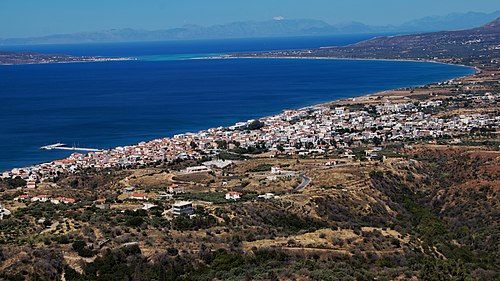
Neapoli is a charming and historic town located in the Laconia region of the Peloponnese peninsula in Greece. Situated at the foot of Mount Taygetus, Neapoli serves as a gateway to the surrounding natural beauty and traditional villages of the area. It is positioned near the Gulf of Laconia, offering picturesque views and access to the serene waters of the Mediterranean Sea. The town boasts a rich cultural heritage shaped by its historical significance and its proximity to ancient sites, including the ruins of Sparta and the archaeological treasures of Mystras.
Founded in the 19th century following the Greek War of Independence, Neapoli was initially conceived as a settlement for refugees and later flourished into an administrative and commercial center. The town retains a traditional Greek atmosphere, characterized by its narrow cobblestone streets, quaint squares, and vibrant local markets. Neapoli is known for its hospitable residents who take pride in showcasing their local customs, cuisine, and artistic traditions, particularly in textiles and handicrafts. The economy of Neapoli is primarily driven by agriculture, with olives, grapes, and citrus fruits being significant crops, as well as the burgeoning tourism sector that attracts visitors eager to explore its natural landscapes and historical heritage.
In addition to its natural beauty and cultural significance, Neapoli acts as a starting point for exploring the nearby scenic destinations, such as Elafonisos, a small island famous for its stunning beaches and crystal-clear waters, and the hiking trails of Mount Taygetus, which are popular among nature enthusiasts. The town hosts several annual festivals that celebrate local traditions, including folklore music and dance, further enriching visitors' experiences. With its blend of history, culture, and breathtaking landscapes, Neapoli embodies the essence of Greece's rich heritage while offering a peaceful retreat for those who seek it.
Facts about Neapoli
- Neapoli is known for its vibrant artistic community, with a strong emphasis on visual arts and traditional crafts, distinguishing it from many other cities in Greece.
- The city features a unique blend of modern architecture and historical Byzantine influences, reflecting its diverse cultural heritage.
- Neapoli has a significant connection to the local agricultural industry, particularly in the production of olives and olive oil, which play a vital role in the local economy and cuisine.
- The annual Neapoli Festival celebrates local music, dance, and food, showcasing the city's cultural diversity and attracting visitors from neighboring regions.
- Neapoli is home to several important ecclesiastical monuments that date back to the Byzantine era, setting it apart from other cities that may not have such historical depth.
- The city has a beautiful coastline along the Aegean Sea, offering unique beach experiences and water activities that are less commercialized compared to more famous Greek tourist locations.
- Neapoli is strategically located near the historical town of Sparta, providing visitors with easy access to archaeological sites while retaining its own distinctive character.
- The local cuisine of Neapoli features unique dishes that incorporate local ingredients and traditional recipes, often differing from the more widely known Greek cuisine found in larger cities.
- The city emphasizes community events and festivals throughout the year, promoting local traditions and fostering a sense of belonging, which is not as prevalent in larger urban centers.
- Neapoli's close-knit community and slower pace of life offer a contrast to the bustling atmosphere of more tourist-centric cities in Greece.