Neckarsulm, Germany
- 27,413 people
- 12 places to visit
- 49.1923, 9.2287
Places to Visit (12)
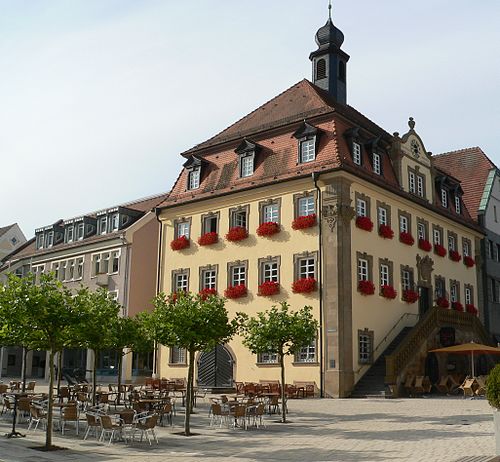
Neckarsulm is a charming town located in the state of Baden-Württemberg, Germany, situated about 10 kilometers northeast of Heilbronn. With a population of approximately 26,000 residents, it is known for its rich history and significant industrial presence. Neckarsulm's history dates back to the early medieval period, with its first written mention occurring in 1147. The town developed around the former monastery of St. Peter and St. Paul, which played a crucial role in its establishment and growth. The name "Neckarsulm" likely originates from the confluence of the Neckar River and the Sulm River, which flows through the area.
In modern times, Neckarsulm has become a hub for automotive manufacturing and technology, primarily due to its association with the car manufacturer Audi, which has a major production facility in the city. The Audi plant is one of the largest employers in the region, contributing significantly to local economic stability. In addition to the automotive sector, Neckarsulm has diversified its economy, with companies in the logistics, retail, and service industries flourishing. The city is also recognized for its commitment to sustainability and innovation, with various initiatives aimed at promoting environmentally friendly practices.
Culturally, Neckarsulm offers a blend of historical and contemporary attractions. The town features several notable sites, including the well-preserved remnants of the old city walls and the Gothic-style St. Dionysius Church, built in the late 14th century. The local museum provides insights into the area's history and cultural heritage. Outdoor enthusiasts can enjoy walking and cycling paths along the scenic landscapes surrounding Neckarsulm, especially along the Neckar and Sulm rivers. The town’s community is active in organizing various events and festivals throughout the year, fostering a strong sense of local identity and tradition. Overall, Neckarsulm stands out for its unique combination of industrial prowess, historical significance, and vibrant community life.
Facts about Neckarsulm
- Neckarsulm is home to the headquarters of the automotive giant Audi, which significantly contributes to the city's economy and global recognition.
- The city hosts the Neckarsulm Technical Museum, showcasing the history of technology and industry, particularly its local significance in automotive development.
- Neckarsulm was founded as a Roman settlement, and traces of this history can still be seen in various archaeological sites around the city.
- The city is known for its unique half-timbered houses, which provide a glimpse into traditional Swabian architecture distinct from other regions in Germany.
- Neckarsulm is situated at the confluence of the Neckar and Sulm rivers, making it a picturesque location with beautiful landscapes and outdoor activities.
- The city celebrates the annual 'Neckarsulm Wine Festival', reflecting the region's rich viticultural heritage, particularly in growing quality wines.
- Neckarsulm's local football club, 1. FC Neckarsulm, has a storied history in women's football, having produced several professional players over the years.
- The city features the 'Burg Hornberg', a medieval castle that offers stunning views of the landscape and serves as a historical landmark in the area.
- Neckarsulm is part of the Heilbronn-Franken wine region, which is known for its Chenin Blanc and Riesling wines, setting it apart from other German wine regions.
- The city has a strong sense of community and often hosts cultural events, such as the Neckarsulm Market, which celebrates local artisans and businesses.