Neiva, Colombia
- 357,392 people
- 16 places to visit
- 2.9345, -75.2809
Places to Visit (16)
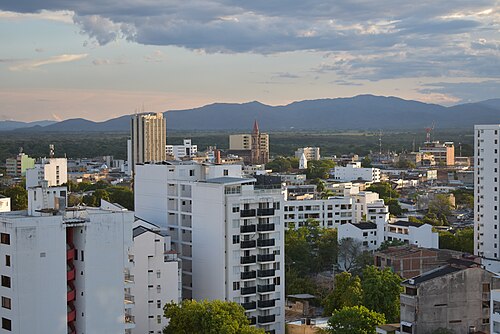
Neiva is a vibrant city located in the Huila department of Colombia, serving as its capital. Situated in the Magdalena River Valley, Neiva lies at an elevation of about 450 meters (1,480 feet) above sea level and covers an area of approximately 1,722 square kilometers. Known for its warm climate, the city experiences an average temperature of around 25°C (77°F), making it a year-round destination. Neiva was founded on August 24, 1539, by Spanish conquistador Lorenzo de Ortega and has since evolved into an important economic and cultural hub in the region.
The population of Neiva is estimated to be over 350,000 residents, with a diverse cultural heritage that blends Indigenous, African, and Spanish influences. Neiva plays a significant role in the agricultural sector, with the surrounding fertile lands primarily focusing on coffee, sugar cane, and various fruits. The city boasts important infrastructure, including the Ignacio Pimentel Airport, which connects it to other major cities in Colombia. Additionally, Neiva hosts several educational institutions, including the University of Huila, which contributes to its status as a center for higher education in the region.
Culturally, Neiva is known for its vibrant festivals and events, particularly the National Folklore Festival, which showcases traditional music, dance, and art from the region. The city is also recognized for its rich archaeological heritage, including the nearby San Agustín Archaeological Park, a UNESCO World Heritage Site that features impressive stone statues and tombs from pre-Columbian civilizations. Overall, Neiva represents a unique blend of historical significance, cultural richness, and economic vitality, making it an essential part of Colombia's landscape.
Facts about Neiva
- Neiva is known as the 'Cultural Capital of Huila' and is famous for its annual festival, the San Pedro Festival, which celebrates local culture and traditions with parades, music, and folkloric dances.
- The city is situated along the Magdalena River, the longest river in Colombia, which has historically been vital for transportation and commerce in the region.
- Neiva is home to the historic Escultura de la Llorona, a prominent statue that symbolizes local folklore and legends, attracting both tourists and locals alike.
- Neiva has a semi-arid climate, which is unique compared to many other Colombian cities that experience a tropical or humid climate, making it a distinct ecological area.
- The city is near the archeological site of San Agustín, a UNESCO World Heritage Site that is famous for its ancient, mysterious stone statues and tombs, showcasing the region's rich pre-Columbian history.
- Neiva is recognized for its vibrant agricultural sector, particularly for producing high-quality coffee and fruits, contributing significantly to Colombia's economy.
- The city also plays a critical role as a transportation hub in the southern region of Colombia, connecting various important routes and economic activities.
- Neiva hosts the largest bullfighting festival in the department of Huila, attracting visitors and showcasing a traditional aspect of Colombian culture.
- The 'Talento Neivano' initiative highlights local artists and musicians, promoting cultural development and empowering the community through the arts.
- Neiva was historically important during the Colombian Civil War, as it served as a strategic military location, particularly in the 19th century.