Néma, Mauritania
- 60,000 people
- 1 places to visit
- 16.6144, -7.2599
Places to Visit (1)
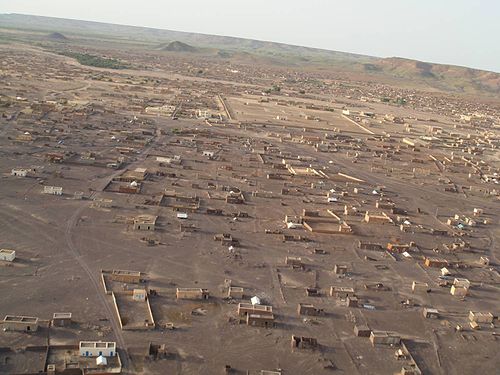
Néma is a pivotal city located in the eastern part of Mauritania, serving as the capital of the Hodh Ech Chargui region. Situated approximately 600 kilometers east of the capital city, Nouakchott, Néma is strategically positioned along the route to Mali and has historically been a crucial trade link between these two countries. With a population of around 40,000 inhabitants, Néma is characterized by a mixture of ethnic groups, primarily the Moor and the Fulani people, reflecting the diverse cultural heritage of the region. The city’s economy largely depends on agriculture, with millet and sorghum being the primary crops cultivated in the surrounding areas. Due to its desert climate, water resources are vital, and the city relies on traditional methods of irrigation and the use of wells to support farming.
The city is notable for its vibrant markets, where local artisans display their crafts, including textiles and jewelry, which contribute to the cultural richness of Néma. The nearby landscapes of the Sahara Desert offer stunning views and opportunities for adventure tourism, although infrastructural challenges remain a barrier to extensive tourism development. Néma is also significant for its proximity to the historic town of Oualata, a UNESCO World Heritage site known for its ancient architecture and role in trans-Saharan trade. The local education system has been improving, with increasing access to schools, although educational challenges persist, particularly in rural areas. Overall, Néma serves as a crucial hub that encapsulates the intersection of history, culture, and economic life in southeastern Mauritania.
Facts about Néma
- Néma is known as the 'Gateway to the Eastern Sahara,' serving as a crucial connecting point for trade routes in Mauritania.
- The city has a historical significance due to its proximity to the ancient caravan routes that traversed the Saharan desert.
- Néma is the capital of the Hodh Ech Chargui region, making it an administrative center for the eastern part of Mauritania.
- The city is surrounded by fertile lands, benefiting from the nearby Senegal River, which supports agriculture, especially in contrast to the arid surroundings of most of Mauritania.
- Néma hosts a vibrant weekly market, 'Souk,' where local farmers and traders gather, showcasing the region's agricultural products and handicrafts.
- The population of Néma is known for its rich cultural heritage, blending various ethnic groups such as the Moors, Soninke, and Fulani.
- Néma's location makes it one of the main hubs for nomadic tribes in Mauritania, reflecting the traditional lifestyle and customs of the country.
- The city is close to the UNESCO World Heritage site of the ancient city of Chinguetti, making it a strategic point for tourists exploring Mauritania's historical landmarks.
- Néma plays a crucial role in the country's aspirations for food security and regional development due to its agricultural potential.
- The town is often less visited by international tourists compared to other cities in Mauritania, which allows for a more authentic experience of Mauritanian culture and hospitality.