Netanya, Israel
- 228,204 people
- 17 places to visit
- 32.3215, 34.8532
Places to Visit (17)
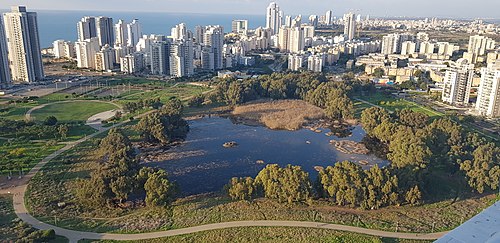
Netanya is a coastal city located in the Central District of Israel, approximately 30 kilometers (19 miles) north of Tel Aviv. Established as a moshav in 1929, it gained city status in 1935. The city is situated along the Mediterranean Sea, characterized by its stunning beaches, vibrant tourism sector, and a mild Mediterranean climate. With a population of around 220,000 residents, Netanya is one of Israel's major urban centers. The city is known for its significant immigrant population, particularly from the former Soviet Union, which has strongly influenced its cultural dynamics.
Netanya’s economy is diverse, with tourism playing a pivotal role. The city's scenic coastline, featuring extensive sandy beaches and attractive promenades, draws visitors year-round. Major attractions include the famous Sironit Beach, which is ideal for swimming and sunbathing, and the Netanya Interchange, a modern shopping and entertainment complex. Netanya is also home to several parks and nature reserves, such as the Gandhi Garden, which provides leisure spaces for residents and visitors. The city is equipped with a range of educational institutions and cultural centers, fostering a community-oriented environment.
In addition to tourism, Netanya has developed into a center for high-tech industries and is part of the Silicon Wadi, Israel’s technological hub. It hosts a number of startups and established companies, further contributing to its economic growth. The city has well-developed transportation infrastructure, including access to major highways and railway services, making it easily reachable from other parts of Israel. Overall, Netanya offers a blend of natural beauty, cultural richness, and economic opportunity, making it an attractive destination for locals and tourists alike.
Facts about Netanya
- Netanya is known for its beautiful Mediterranean beaches, making it a popular tourist destination in Israel, with over 13 kilometers of coastline.
- The city is named after Nathan Straus, a Jewish philanthropist who was instrumental in its founding in the 1920s.
- Netanya is home to the largest cliff-top promenade in Israel, offering stunning views of the Mediterranean Sea.
- The city has a vibrant diamond industry, earning it the nickname 'the diamond capital' of Israel.
- Netanya hosts the annual Netanya International Jazz Festival, attracting jazz musicians and fans from around the world.
- It is the birthplace of the 'Yogurt War,' a famous local dispute over yogurt brand supremacy that showcases the city's culinary culture.
- Netanya's central park, the 'Herzl Park,' features an impressive array of flora and is significant for its tranquil atmosphere in the bustling city.
- The city has an extensive sports infrastructure, including the Netanya Stadium, which hosts top football matches in Israel.
- Netanya is unique for its sizable population of immigrants, particularly from the former Soviet Union, contributing to its diverse cultural landscape.
- The annual Netanya Art and Culture Festival celebrates various forms of artistic expression, highlighting the city's commitment to the arts.