Nettetal, Germany
- 42,417 people
- 10 places to visit
- 51.3263, 6.2721
Places to Visit (10)
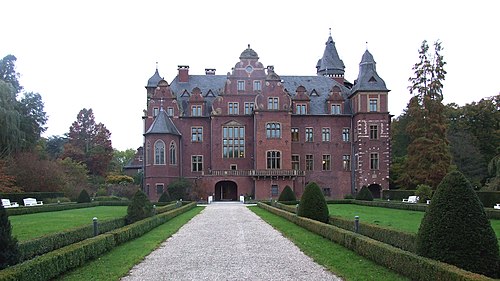
Nettetal is a town in the district of Viersen, located in North Rhine-Westphalia, Germany. Positioned near the borders of the Netherlands, it lies approximately 20 kilometers northwest of the city of Mönchengladbach and about 25 kilometers northeast of Duisburg. Nettetal was formed in 1969 through the merger of several smaller towns, including Breyell, Kaldenkirchen, and Lobberich, which retained their unique identities while contributing to the town's overall character. With a population of around 28,000 residents, Nettetal combines the charm of a smaller town with the conveniences of urban living.
The geographical landscape of Nettetal is marked by its lakes, forests, and scenic countryside, making it a popular destination for nature lovers and outdoor enthusiasts. The region is crisscrossed by numerous cycling and walking paths, providing residents and visitors with opportunities to explore the natural beauty of the area. Notably, the city is home to several parks and gardens, such as the historic Stadtpark in Lobberich, which features playgrounds and green spaces for recreation. The nearby Maas-Schwalm-Nette Nature Park allows for diverse wildlife observation and leisure activities, further emphasizing the town’s dedication to preserving its natural environment.
Nettetal boasts a rich cultural heritage, with historical buildings like the St. Mary’s Church (St. Mariä Geburt) in Lobberich and the historic town center of Kaldenkirchen, which reflect traditional German architecture. The town holds various local festivals and events throughout the year, fostering a sense of community among its residents. In terms of commerce, Nettetal benefits from its proximity to both regional and international markets, thanks to well-connected transportation networks. The local economy is diverse, encompassing agriculture, trade, and services, with numerous businesses catering to both residents and visitors alike. Overall, Nettetal offers a blend of historical significance, cultural diversity, and natural beauty, making it an appealing place to live and visit in Germany.
Facts about Nettetal
- Nettetal is known for its unique location, being a town that was formed in 1970 through the merger of several smaller towns, most notably Nettetal, Kaldenkirchen, and Lobberich.
- The town is located near the border with the Netherlands, which influences its multicultural environment and regional trade.
- Nettetal is home to the Naturpark Maas-Schwalm-Nette, a scenic nature park that offers outdoor activities such as hiking, cycling, and nature observation.
- The town hosts the annual 'Nettetaler Weihnachtsmarkt,' which is a popular Christmas market, attracting visitors from the surrounding regions with its festive atmosphere and local crafts.
- Nettetal features the historic St. Antonius Church, notable for its beautiful architecture and group of impressive frescos that date back to the 15th century.
- It has an extensive network of lakes, such as the Lauerhaas and Lüllinger See, which are popular for recreational fishing and water sports.
- Nettetal is part of the Lower Rhine region, which is known for its rich agricultural land, contributing significantly to local wine and produce.
- The town emphasizes environmental sustainability, with community initiatives aimed at promoting green energy and biodiversity.
- Nettetal has a vibrant arts scene, hosting various cultural events throughout the year, including theater performances and art exhibitions.
- The local economy benefits from both agriculture and small to medium-sized enterprises, particularly in the manufacturing and service sectors.