Neu-Ulm, Germany
- 51,389 people
- 14 places to visit
- 48.383, 10.0055
Places to Visit (14)
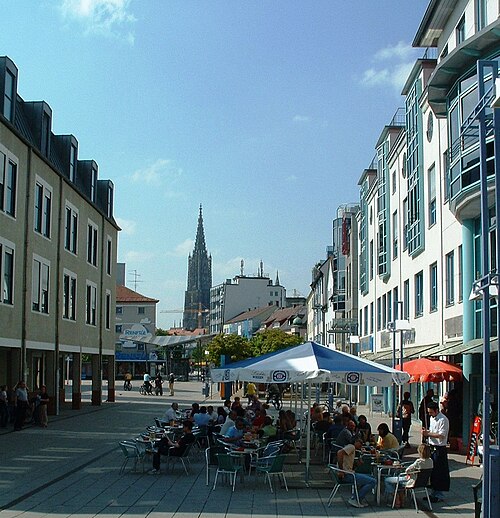
Neu-Ulm is a city located in the southern part of Germany, straddling the Danube River in the federal state of Bavaria. It lies directly across from the city of Ulm in the neighboring state of Baden-Württemberg, forming a significant urban area known collectively as Ulm/Neu-Ulm. Neu-Ulm, which became an independent city in 1810, has grown over the years to become a vital regional hub with a population of around 60,000 residents. The city’s development was influenced by both its historical roots and its proximity to major economic centers.
The history of Neu-Ulm dates back to its origins as part of the territory of the Holy Roman Empire, where it served as a military outpost and trading center. In the 19th century, the city experienced rapid industrialization, fostering sectors like manufacturing and construction. Key landmarks in Neu-Ulm include the historic fortress of Neu-Ulm, with its impressive Vauban-style architecture, and various museums depicting the region's rich history. Modern Neu-Ulm is characterized by a blend of traditional architecture and contemporary urban development, featuring a range of shops, restaurants, and cultural venues that contribute to its vibrant community life.
Neu-Ulm is also notable for its well-developed infrastructure, including efficient public transport links to nearby cities like Augsburg and Munich, making it an attractive place for commuters. The city emphasizes sustainability through initiatives such as green spaces and environmental awareness programs, reflecting its commitment to quality of life. Additionally, Neu-Ulm hosts several educational institutions, enhancing its appeal for families and students. Overall, Neu-Ulm combines historical significance with modern amenities, offering a unique living experience in the heart of Bavaria.
Facts about Neu-Ulm
- Neu-Ulm was established in 1810 as the counterpart to the historical city of Ulm, situated directly on the opposite bank of the Danube River.
- The city's motto is 'Neu-Ulm – die Stadt im Herzen der Regionen' which translates to 'Neu-Ulm – the city in the heart of the regions', highlighting its central location.
- One of Neu-Ulm's most notable landmarks is the Wasserturm, or Water Tower, which is a symbol of the city's connection to its industrial past.
- Neu-Ulm is home to the Bundeswehr University Munich, which is the only university in Germany dedicated specifically to the education of military officers.
- The city hosts a significant annual event called the 'Neu-Ulmer Stadtfest', a festival promoting regional culture, music, and gastronomy.
- Unlike many German cities, Neu-Ulm features a mix of modern architecture and historical buildings, including the beautifully restored old town area and contemporary structures like the 'Neu-Ulmer Stadthaus'.
- Neu-Ulm is known for its proximity to the Danube River, which not only provides picturesque views but also recreational activities like cycling along the riverbank.
- The city has a diverse cultural scene, with numerous galleries, theaters, and performance spaces, reflecting its commitment to the arts.
- Neu-Ulm is strategically located near the A8 motorway, providing easy access to larger cities such as Munich and Stuttgart, setting it apart as a commuter-friendly location.
- It is significant for its duality with Ulm, as the two cities together showcase a blend of Bavarian and Swabian cultures, with distinct traditions and dialects.