Neubrandenburg, Germany
- 68,082 people
- 12 places to visit
- 53.5678, 13.2779
Places to Visit (12)
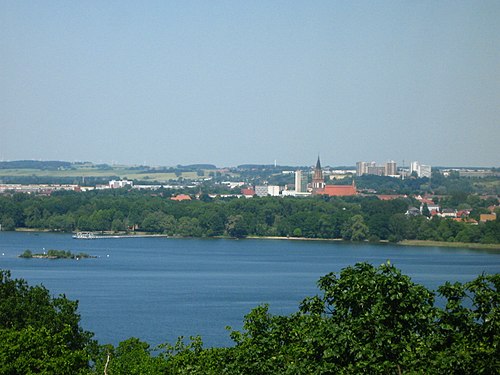
Neubrandenburg is a town located in northeastern Germany, within the state of Mecklenburg-Vorpommern. Founded in 1248, it holds a significant position in the region's history and development. The town is strategically situated near the Tollense River and lies approximately 130 kilometers north of Berlin, making it an important connection point between the capital and the Baltic Sea. Neubrandenburg's historical architecture is prominently characterized by its medieval city walls, which, despite suffering damage over the years, remain well-preserved and are recognized as key attractions. The city is also known for its distinctive brick Gothic structures, the most notable being the St. Mary’s Church, which exemplifies the architectural style of the era.
The city's identity has been shaped by its robust cultural and economic significance. Neubrandenburg played an integral role during the Hanseatic League, a commercial and defensive confederation of merchant guilds and market towns in Northwestern and Central Europe. As the economy evolved, Neubrandenburg became an important place for the manufacturing industry, particularly in textiles and machinery, especially during the 20th century. In addition to its economic activities, the town is home to various cultural initiatives, including music festivals and art exhibitions, which contribute to its vibrant community life. Today, Neubrandenburg continues to attract visitors with its rich cultural heritage, scenic parks, and lakes, offering a blend of historical charm and modern amenities. The surrounding natural environment, including the nearby Müritz National Park, further enhances its appeal for nature enthusiasts and tourists alike.
Facts about Neubrandenburg
- Neubrandenburg is known for its well-preserved medieval city wall, which is one of the few remaining examples in Northern Germany, with striking brick architecture.
- The city is home to the 'Neubrandenburg Concert Hall', a prominent cultural venue that hosts various musical events and performances, contributing to the city's vibrant arts scene.
- Neubrandenburg has a unique connection to the Slavic heritage of the region, featuring sites that reflect the history of the Slavic people who settled there in the early Middle Ages.
- The famous 'Neubrandenburg Gate' serves as the symbolic entrance to the city and showcases classic Gothic architectural styles, distinguishing it from other gates in German cities.
- Every summer, Neubrandenburg hosts the 'Neubrandenburger Kammeroper', a chamber opera festival that attracts performers and audiences from across the country.
- The city is situated near the scenic Tollensesee lake, making it a popular destination for water sports and nature enthusiasts, which sets it apart from many inland cities.
- Neubrandenburg's historical market square features the 13th-century 'St. Mary's Church' (Marienkirche), which is renowned for its impressive Gothic architecture and vibrant stained glass windows.
- The city is also known for the 'Kulturwerke', a cultural complex that includes galleries, studios, and workshops, fostering artistic innovation in the region.
- Neubrandenburg has a rich industrial history, particularly in the production of textiles and machinery, that has helped shape its economic landscape.
- As part of the 'Road of the Hanseatic League', Neubrandenburg holds a significant place in trade history, connecting it to a network of influential cities across Northern Europe.