Neuruppin, Germany
- 31,901 people
- 13 places to visit
- 52.9211, 12.8003
Places to Visit (13)
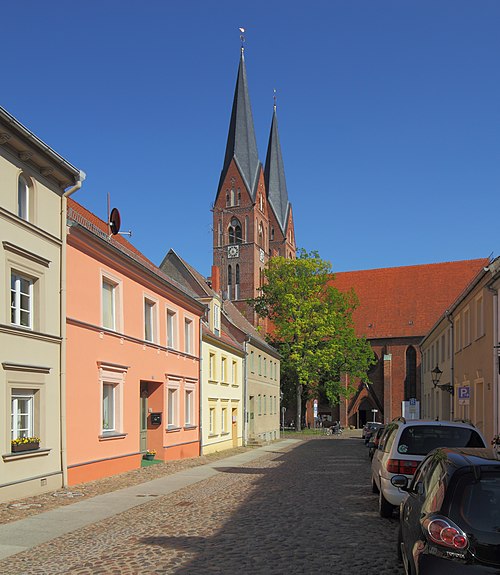
Neuruppin is a historic town located in the Brandenburg region of Germany, approximately 70 kilometers northwest of Berlin. Founded in the late 12th century, it lies on the banks of the lake Ruppiner See and serves as the administrative center of the district of Ostprignitz-Ruppin. The town's name is derived from the Slavic word "Rup," meaning "to place" or "to settle." Throughout its history, Neuruppin has developed from a small settlement into a vibrant town, blending its rich heritage with contemporary charm. The town is well-known for its impressive neoclassical architecture, much of which was designed by the prominent architect Karl Friedrich Schinkel in the early 19th century.
Neuruppin was historically significant as it was the birthplace of the German writer Theodor Fontane, whose works often reflected the regional culture. His literary legacy is commemorated in various ways throughout the town, including a dedicated museum. The town's cultural offerings include local theaters, galleries, and historical sites, making it a hub for arts and culture in the region. Neuruppin also features a well-preserved spa town ambiance, attracting visitors with its natural surroundings and numerous lakes, making it popular for recreational activities. Additionally, its location near Berlin allows for easy access, increasing its appeal as a tourist destination and a residential area for those working in the capital.
Today, Neuruppin combines historical significance with modern development, showcasing a mix of old-world charm and contemporary living. The town has a growing economy, with sectors such as tourism, retail, and small businesses contributing to its vitality. With ongoing investments in infrastructure and community projects, Neuruppin continues to evolve while preserving its rich history, making it an interesting place to explore for both locals and visitors alike.
Facts about Neuruppin
- Neuruppin is the birthplace of the famous German writer Theodor Fontane, known for his significant contributions to German literature, particularly in the 19th century.
- The city is located on the banks of the Ruppiner See, which adds to its scenic beauty and makes it a popular destination for water sports and recreational activities.
- Neuruppin was founded in the 13th century and has retained many historical features, including its well-preserved city center that showcases neoclassical architecture.
- The Neuruppin Thermal Baths offer mineral-rich waters, making the city a destination for health tourism and wellness retreats.
- Neuruppin has a unique cultural event known as the Fontane Festival, held every two years, celebrating the works of its literary son through performances, readings, and exhibitions.
- The city's historic Ruppiner Tor, a striking gate from the early 19th century, serves as an iconic landmark and a reminder of the city's history.
- Neuruppin is part of the 'Route of Romanticism' in Germany, which highlights regions known for their contribution to cultural and artistic movements.
- The city's population has a strong sense of community, often participating in local events such as the traditional Christmas market and various summer festivals.
- Neuruppin hosts the 'Neuruppin Art Festival,' an event dedicated to showcasing contemporary art from regional, national, and international artists.
- The city is surrounded by a picturesque landscape of lakes, parks, and nature reserves, making it an attractive spot for nature enthusiasts and outdoor activities.