Neustrelitz, Germany
- 22,291 people
- 10 places to visit
- 53.3601, 13.073
Places to Visit (10)
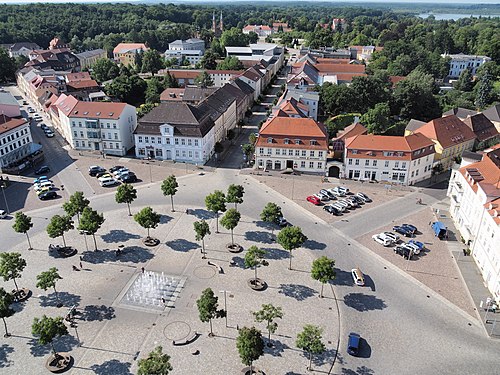
Neustrelitz is a charming city located in the northeastern part of Germany, within the state of Mecklenburg-Vorpommern. Established in the early 18th century, it was originally designed as the capital of the Duchy of Mecklenburg-Strelitz. The city was founded in 1733 by Duke Adolphus Frederick II and is characterized by its historical architecture, scenic lakes, and extensive green spaces. Positioned at the junction of several lakes, including the Zierker See and the Hundsee, Neustrelitz is part of the Mecklenburg Lake District, making it a popular destination for outdoor activities such as sailing, hiking, and cycling.
Neustrelitz boasts a rich cultural heritage, with several noteworthy landmarks reflecting its past. The Neustrelitz Palace, which once stood as the residence of the dukes, is a focal point of the city, although it was heavily damaged during World War II and subsequently reconstructed. The Palace Gardens, which date back to the 18th century, serve as a public park and a memorial to the city’s romantic landscape gardening traditions. The city also hosts various cultural events throughout the year, including theater performances and music festivals, contributing to its vibrant community life. Additionally, Neustrelitz is home to several educational institutions and is known for its commitment to cultural and historical preservation.
Economically, Neustrelitz has transitioned over the years from a primarily agrarian society to a diversified economy that includes services, tourism, and light manufacturing. The city benefits from its picturesque surroundings and historical significance, attracting visitors who appreciate nature and history. As a regional center, it provides essential services and facilities to the local population and surrounding areas. Overall, Neustrelitz symbolizes a blend of history and modernity, offering its residents and visitors a glimpse into the rich tapestry of German culture and the beauty of the German countryside.
Facts about Neustrelitz
- Neustrelitz was the capital of the former Duchy of Mecklenburg-Strelitz and is known for its historical significance in the Grand Duchy.
- The city is home to the Neustrelitz Palace, a reconstruction of the original, which was a significant cultural center in the 18th century.
- Neustrelitz has a unique layout, designed in a star-shaped pattern which is rare among German towns.
- The city's scenic parks, including the created Schlossgarten, were designed under the influence of German landscape architect Peter Joseph Lenné.
- Neustrelitz hosts the annual International Neustrelitz Festival, which celebrates various cultural events including music, theater, and art.
- The city is known for its historical connections to the Mecklenburg-Strelitz royal family, with Queen Charlotte, the wife of King George III of the UK, being a notable figure.
- Neustrelitz has a strong tradition in the arts, particularly in theater, showcased by the renowned Landestheater Neustrelitz.
- The city played a role during the GDR era, hosting significant events and serving as a hub for local governance.
- Neustrelitz has a celebrated botanical garden established in the 19th century, contributing to its reputation for natural beauty.
- The city is situated on the edge of the Mecklenburg Lake District, known for its picturesque lakes and outdoor recreational opportunities.