New Amsterdam, Guyana
- 35,039 people
- 6 places to visit
- 6.2431, -57.5137
Places to Visit (6)
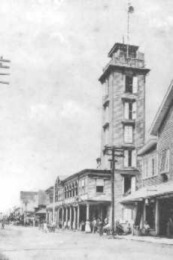
New Amsterdam is a town located in the East Berbice-Corentyne region of Guyana, situated at the confluence of the Berbice River. Historically, it served as the capital of the former colony of British Guiana and is known for its rich cultural heritage and historical significance. The town was originally established by the Dutch in the 17th century and was named after New Amsterdam, now known as New York City. It became a vital center for trade and agriculture, given its strategic location along the river and proximity to fertile agricultural lands. Over the years, New Amsterdam evolved through a series of colonial and post-colonial influences, taking on characteristics of the various cultures and peoples who settled in the area, including Indigenous groups, African slaves, and European colonists.
New Amsterdam is characterized by its unique blend of cultural influences, evident in its architecture, festivals, and cuisine. The town is home to several historical sites, including the Kamarang Bridge and the old wooden St. John the Baptist Church, which reflects its colonial past. The economy of New Amsterdam has historically revolved around the sugar and rice industries, but it has diversified over time to include other sectors such as trade and services. The town also serves as a transportation hub, linking rural areas to larger urban centers in Guyana. With a population of approximately 30,000 residents, New Amsterdam continues to be a vital part of Guyanese life, showcasing a mix of traditions and modernity in its daily activities. The local government is focused on developing infrastructure and promoting tourism to enhance the region's profile while preserving its historical legacy.
Facts about New Amsterdam
- New Amsterdam is known for being one of the first towns established by the Dutch in Guyana, originally serving as a trading post.
- The town is named after Amsterdam in the Netherlands, reflecting its colonial history and cultural influences.
- New Amsterdam played a significant role during the British colonial era, particularly during the transitions of power between the Dutch and British.
- The town is famous for its well-preserved colonial architecture, which showcases the Dutch influence on its building styles.
- New Amsterdam is located at the confluence of the Berbice River and the Atlantic Ocean, making it an important port and fishing community.
- It hosts the annual Berbice Expo and Trade Fair, showcasing local businesses and cultural practices, which distinguishes it from other towns.
- The New Amsterdam Hospital, established in the late 19th century, is one of the oldest healthcare institutions in Guyana, providing historical significance to the town.
- New Amsterdam features a vibrant market scene, particularly the New Amsterdam Market, which is one of the busiest in the region.
- The town is home to the St. Francis Community Development Center, which promotes local education and skills training, contributing to the community’s development.
- New Amsterdam is located close to the UNESCO World Heritage Site of the Historic Town of New Amsterdam, making it a point of interest for historical tourism.