New Brunswick NJ, United States
- 57,035 people
- 17 places to visit
- 40.4862, -74.4518
Places to Visit (17)
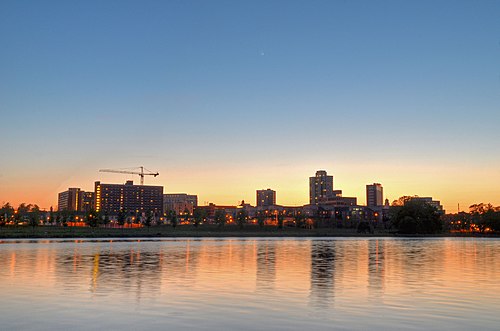
New Brunswick, New Jersey, is a city rich in history and culture, located approximately 30 miles southwest of New York City in Middlesex County. Established in 1730, it was named after the city of Braunschweig (Brunswick) in Germany, reflecting the influence of German settlers in early America. The city has played a significant role in American history, especially during the Revolutionary War, where it served as a strategic location due to its proximity to vital transportation routes. With a population of around 57,000 residents, New Brunswick is characterized by its diverse community and vibrant atmosphere, influenced largely by its status as a university town.
Home to Rutgers University, the state’s flagship institution, New Brunswick boasts a lively environment filled with students and academic professionals. This proximity to the university enhances the city's cultural offerings, including theaters, museums, and art galleries. The area also hosts the George Street Playhouse and the Rutgers University's Mason Gross School of the Arts, which contribute to a rich performing arts scene. New Brunswick has a revitalized downtown, featuring a mix of restaurants, shops, and entertainment venues. The city’s economy is bolstered not only by education but also by healthcare; it is the location of various hospitals, including the Robert Wood Johnson University Hospital and the Cancer Institute of New Jersey, marking its importance in medical research and health services.
New Brunswick is well-connected transportation-wise, with easy access to major highways, and is served by New Jersey Transit rail and bus services, making it a convenient hub for commuters. The city also celebrates various cultural events throughout the year, such as the New Brunswick Gallery's annual Art & Earth Festival and the city's Mardi Gras celebrations, highlighting its commitment to community and cultural engagement. Over the years, New Brunswick has transformed and evolved, retaining elements of its historical charm while embracing modern urban development, making it an interesting and dynamic place to live and visit.
Facts about New Brunswick
- New Brunswick is home to Rutgers University, the oldest institution of higher education in New Jersey, founded in 1766.
- The city is known as the 'Hub City' due to its historical significance as a transportation center for railroads and highways in the 19th century.
- New Brunswick played a key role in the Revolutionary War, being the site of the Battle of New Brunswick in 1776.
- The city is famous for its diverse cultural events, including the annual New Brunswick Devil's Night Parade, celebrating Halloween in a unique way.
- The State Theatre New Jersey, located in New Brunswick, is an iconic venue that has hosted countless performances since its opening in 1921.
- New Brunswick is also recognized for its vibrant culinary scene, especially its diverse range of international cuisines that reflect its multicultural population.
- The city has a significant contribution to the healthcare field, being the location of Robert Wood Johnson University Hospital, a major teaching hospital.
- New Brunswick has a robust arts community, featuring galleries, theaters, and public art installations, contributing to its status as a cultural destination.
- The city was once the headquarters of Johnson & Johnson, one of the world’s largest healthcare companies, which was founded in 1886.
- New Brunswick is geographically significant, situated at the confluence of the Raritan River and several major highways, making it a central point in New Jersey.